



To Educate on Natural remedies for Health and healing and what to avoid that are unnaturally manufactured by the big Pharma industry.
-
Public Group
-
13 Posts
-
12 Photos
-
0 Videos
-
Reviews
-
Education
Search

 Arabic
 French
 Spanish
 Portuguese
 Deutsch
 Turkish
 Dutch
Dutch
 Italiano
 Russian
 Romaian
 Portuguese (Brazil)
 Greek
Greek
Recent Updates
-
Eating Healthy During Pregnancy, Part 2
Calories
When you are pregnant, you need to consume around 300 calories more than usual every day. The best way to do this is by listening to your body when hungry. Try eating as many foods as possible from the bottom of the pyramid.
If you gain weight too slowly, try eating small meals and slightly increase the fat in your diet.
You should always eat when you are hungry, as you are now eating for 2 instead of one.
Calcium
By the second trimester, you'll need around 1,500 milligrams of calcium daily for your bones and
your baby, which is more than a quart of milk. Calcium is something that's missing from many
diets. Along with milk, other great sources of calcium include dairy products, calcium-fortified
juices, and even calcium tablets.
Fibre
Fibre can help to prevent constipation, which is a common pregnancy problem. You can find fiber in
whole grains, fruits, and even vegetables. Fiber supplements such as Metamucil and Citrucel are
safe to take during pregnancy.
Protein
Unless you happen to be a strict vegetarian, your protein intake is not usually a problem for women
who eat a healthy diet.
Iron
A lot of women will start their pregnancy off with a bit of iron deficiency. Good sources of iron
include dark, leafy green vegetables and meats. Iron supplements should be avoided, as they can cause internal symptoms such as cramping, constipation, or diarrhoea.
Vitamins
Seeing as you get most of the vitamins you need in your diet, you may want to discuss prenatal vitamins with your doctor. Folate is one of the most important, and if you are getting enough of it, you may be able to avoid vitamins altogether - ask your doctor to make sure.
#Fruits #Veg #Vitamins #Healthyfood #Health #GoodFood #HealthyPregnancyEating Healthy During Pregnancy, Part 2 Calories When you are pregnant, you need to consume around 300 calories more than usual every day. The best way to do this is by listening to your body when hungry. Try eating as many foods as possible from the bottom of the pyramid. If you gain weight too slowly, try eating small meals and slightly increase the fat in your diet. You should always eat when you are hungry, as you are now eating for 2 instead of one. Calcium By the second trimester, you'll need around 1,500 milligrams of calcium daily for your bones and your baby, which is more than a quart of milk. Calcium is something that's missing from many diets. Along with milk, other great sources of calcium include dairy products, calcium-fortified juices, and even calcium tablets. Fibre Fibre can help to prevent constipation, which is a common pregnancy problem. You can find fiber in whole grains, fruits, and even vegetables. Fiber supplements such as Metamucil and Citrucel are safe to take during pregnancy. Protein Unless you happen to be a strict vegetarian, your protein intake is not usually a problem for women who eat a healthy diet. Iron A lot of women will start their pregnancy off with a bit of iron deficiency. Good sources of iron include dark, leafy green vegetables and meats. Iron supplements should be avoided, as they can cause internal symptoms such as cramping, constipation, or diarrhoea. Vitamins Seeing as you get most of the vitamins you need in your diet, you may want to discuss prenatal vitamins with your doctor. Folate is one of the most important, and if you are getting enough of it, you may be able to avoid vitamins altogether - ask your doctor to make sure. #Fruits #Veg #Vitamins #Healthyfood #Health #GoodFood #HealthyPregnancy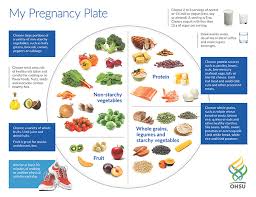 0 Comments 0 Shares 2K Views 0 Reviews2
-
Eating Healthy During Pregnancy, Part 1
Starting with a healthy, balanced diet is the best thing you can do for yourself and your baby. This way, you'll only need to make a few adjustments during pregnancy.
Your first trimester
If you struggle to maintain a balanced diet during your first trimester, you can rest assured
that you are not alone. Due to queasiness, some women will eat all of the time and gain a lot of
weight in the process. Other women have trouble getting food down and subsequently lose weight.
Preventing malnutrition and dehydration are your most important factors during the first trimester.
Calories
When you are pregnant, you need to consume around 300 calories more than usual every day. The best way to do this is by listening to your body when hungry. You should try to eat
as many foods as possible from the bottom of the food pyramid.
If you gain weight too slowly, try eating small meals and slightly increase the fat in your diet.
You should always eat when you are hungry, as you are now eating for 2 instead of one.
#Fruits #Veg #Vitamins #Healthyfood #Health #GoodFood #HealthyPregnancyEating Healthy During Pregnancy, Part 1 Starting with a healthy, balanced diet is the best thing you can do for yourself and your baby. This way, you'll only need to make a few adjustments during pregnancy. Your first trimester If you struggle to maintain a balanced diet during your first trimester, you can rest assured that you are not alone. Due to queasiness, some women will eat all of the time and gain a lot of weight in the process. Other women have trouble getting food down and subsequently lose weight. Preventing malnutrition and dehydration are your most important factors during the first trimester. Calories When you are pregnant, you need to consume around 300 calories more than usual every day. The best way to do this is by listening to your body when hungry. You should try to eat as many foods as possible from the bottom of the food pyramid. If you gain weight too slowly, try eating small meals and slightly increase the fat in your diet. You should always eat when you are hungry, as you are now eating for 2 instead of one. #Fruits #Veg #Vitamins #Healthyfood #Health #GoodFood #HealthyPregnancy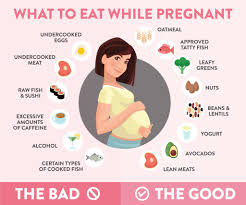 0 Comments 0 Shares 2K Views 0 Reviews1
-
Eating for a Healthy Heart, Part 2
Choosing healthy fats and oils
Saturated fat will increase the risk of heart disease. It's found in meat, butter, and even coconut oil. You
should avoid them until your cholesterol levels are down and you are at a healthy weight. Even those
who love red meats can enjoy seafood and nuts as their main sources of protein.
Monounsaturated fats such as olive oils will help you to protect your heart. Olive oil is an ideal
choice for cooking, dressing, or even as a dipping sauce.
Plenty of fibre
Fiber can help you control your cholesterol. You can find fiber in whole-grain products to help
control sugar absorption as well, which will help you keep your digestive system healthy.
Choosing carbohydrates
Eating for your heart involves avoiding sugary foods such as candy, cookies, cakes, and
pastries. Eating a lot of sugar isn't suitable for your heart disease at all. Healthy carbohydrates
involve whole-grain breads, whole-grain pasta, brown rice, and many vegetables. You should make
fruits and vegetables the main aspect of your diet.
Healthy cooking methods
Stir frying and sauteing with olive oil or canola oil are both great methods, as you shouldn't dip
your food in batter and fry it anymore. If you cook chicken, remove the skin and bake it in the
oven in foil.
Instead of frying your fish, you should always bake it. Steaming your vegetables can help maintain the
most nutrients. You should use cream sauces or lots of butter anymore, either. When you eat vegetables, try squeezing lemon juice on them or using your favourite seasonings.
As you make the proper changes to your diet, keep in mind that it takes time for them to become habits. Eating healthy is always great for your body and your lifestyle, especially when it comes to your heart and the prevention of heart disease.
#Fruits #Veg #Vitamins #Healthyfood #Health #GoodFood #HealthyHeartEating for a Healthy Heart, Part 2 Choosing healthy fats and oils Saturated fat will increase the risk of heart disease. It's found in meat, butter, and even coconut oil. You should avoid them until your cholesterol levels are down and you are at a healthy weight. Even those who love red meats can enjoy seafood and nuts as their main sources of protein. Monounsaturated fats such as olive oils will help you to protect your heart. Olive oil is an ideal choice for cooking, dressing, or even as a dipping sauce. Plenty of fibre Fiber can help you control your cholesterol. You can find fiber in whole-grain products to help control sugar absorption as well, which will help you keep your digestive system healthy. Choosing carbohydrates Eating for your heart involves avoiding sugary foods such as candy, cookies, cakes, and pastries. Eating a lot of sugar isn't suitable for your heart disease at all. Healthy carbohydrates involve whole-grain breads, whole-grain pasta, brown rice, and many vegetables. You should make fruits and vegetables the main aspect of your diet. Healthy cooking methods Stir frying and sauteing with olive oil or canola oil are both great methods, as you shouldn't dip your food in batter and fry it anymore. If you cook chicken, remove the skin and bake it in the oven in foil. Instead of frying your fish, you should always bake it. Steaming your vegetables can help maintain the most nutrients. You should use cream sauces or lots of butter anymore, either. When you eat vegetables, try squeezing lemon juice on them or using your favourite seasonings. As you make the proper changes to your diet, keep in mind that it takes time for them to become habits. Eating healthy is always great for your body and your lifestyle, especially when it comes to your heart and the prevention of heart disease. #Fruits #Veg #Vitamins #Healthyfood #Health #GoodFood #HealthyHeart 0 Comments 0 Shares 2K Views 0 Reviews1
-
Eating For A Healthy Heart, Part 1
Bad cholesterol or a bad diet is something we all experience at some point in time. Eating healthy our whole lives is impossible, even though we may try hard. Everyone should try to eat healthy for their heart, especially when it comes to restoring health and reducing heart attacks.
Your heart and food
We know these things for sure - a diet high in saturated fats will help raise your cholesterol,
a risk factor for heart disease. People who are obese are more prone to heart disease. A
diet high in sodium may elevate your blood pressure, leading to inflammation and even heart disease.
To help prevent heart disease and improve your health, I'd like you to put the tips below to good use.
Eat plenty of fish
Herring, sardines, and salmon are all excellent sources of omega-3 essential fatty acids. Other fish are also great, although Omega 3 may help get your cholesterol down to a healthier level.
#Fruits #Veg #Vitamins #Healthyfood #Health #GoodFood #HealthyHeartEating For A Healthy Heart, Part 1 Bad cholesterol or a bad diet is something we all experience at some point in time. Eating healthy our whole lives is impossible, even though we may try hard. Everyone should try to eat healthy for their heart, especially when it comes to restoring health and reducing heart attacks. Your heart and food We know these things for sure - a diet high in saturated fats will help raise your cholesterol, a risk factor for heart disease. People who are obese are more prone to heart disease. A diet high in sodium may elevate your blood pressure, leading to inflammation and even heart disease. To help prevent heart disease and improve your health, I'd like you to put the tips below to good use. Eat plenty of fish Herring, sardines, and salmon are all excellent sources of omega-3 essential fatty acids. Other fish are also great, although Omega 3 may help get your cholesterol down to a healthier level. #Fruits #Veg #Vitamins #Healthyfood #Health #GoodFood #HealthyHeart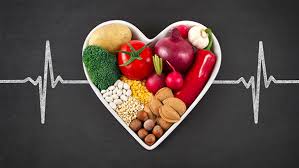 0 Comments 0 Shares 2K Views 0 Reviews2
-
Cooking with Oils
Everyone knows the foods to eat that improve health, although how we cook the food can be just as important. With so many oils and butter products claiming to be the best, it can be quite difficult to know which ones to use and which to avoid.
1. Canola oil is a popular oil, with many physicians claiming it can lower the risk of heart disease. The oil is low in saturated fat, high in monounsaturated fat, and offers the best fatty acid composition compared to other oils.
You can use canola oil in sauteing, as a marinade and even in low-temperature stir-frying. It has a bland flavour, which makes it an excellent oil for foods that contain many spices. Unlike other oils, this one won't interfere with the taste of your meal.
2. Olive oil Olive oil offers a distinct flavour with plenty of heart-healthy ingredients. The oil is rich in monounsaturated fat, which helps lower cholesterol levels and reduce cancer risk. It's also rich in antioxidants and has a very long storage life.
Even though it can be used in cooking, it's the healthiest when uncooked, such as with a salad or dipping sauce. When you use it for cooking, you should heat it at low to medium temperatures, avoiding high heat.
3. Butter is one food that has been around for many, many years. Butter tastes good and offers sources of Vitamin A and other fat-soluble vitamins such as E, K, and even D. Butter is made from natural ingredients, not chemically or artificially processed.
You can use butter with cooking, baking, or even as a spread. You can pair it with creamy sauces, marinades, baked dishes, or bread.
4. Margarine was first introduced as an alternative to high-fat butter. However, when it was first created, it was loaded with trans-fat, which we now know raises bad cholesterol.
As a cooking oil, margarine tastes good; it's lower in fat than most oils and butter and is relatively easy to spread. It's available in various products and is a good source of vitamin E.
When it comes to cooking with oils, several are at your disposal. There are many more than what is mentioned here, although the ones above are the most popular. Eating healthy involves cooking healthy food, where your cooking oil takes centre stage.
Cooking with Oils Everyone knows the foods to eat that improve health, although how we cook the food can be just as important. With so many oils and butter products claiming to be the best, it can be quite difficult to know which ones to use and which to avoid. 1. Canola oil is a popular oil, with many physicians claiming it can lower the risk of heart disease. The oil is low in saturated fat, high in monounsaturated fat, and offers the best fatty acid composition compared to other oils. You can use canola oil in sauteing, as a marinade and even in low-temperature stir-frying. It has a bland flavour, which makes it an excellent oil for foods that contain many spices. Unlike other oils, this one won't interfere with the taste of your meal. 2. Olive oil Olive oil offers a distinct flavour with plenty of heart-healthy ingredients. The oil is rich in monounsaturated fat, which helps lower cholesterol levels and reduce cancer risk. It's also rich in antioxidants and has a very long storage life. Even though it can be used in cooking, it's the healthiest when uncooked, such as with a salad or dipping sauce. When you use it for cooking, you should heat it at low to medium temperatures, avoiding high heat. 3. Butter is one food that has been around for many, many years. Butter tastes good and offers sources of Vitamin A and other fat-soluble vitamins such as E, K, and even D. Butter is made from natural ingredients, not chemically or artificially processed. You can use butter with cooking, baking, or even as a spread. You can pair it with creamy sauces, marinades, baked dishes, or bread. 4. Margarine was first introduced as an alternative to high-fat butter. However, when it was first created, it was loaded with trans-fat, which we now know raises bad cholesterol. As a cooking oil, margarine tastes good; it's lower in fat than most oils and butter and is relatively easy to spread. It's available in various products and is a good source of vitamin E. When it comes to cooking with oils, several are at your disposal. There are many more than what is mentioned here, although the ones above are the most popular. Eating healthy involves cooking healthy food, where your cooking oil takes centre stage.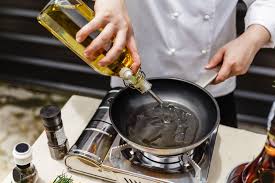 0 Comments 0 Shares 2K Views 0 Reviews1
-
Change How You Eat, Part 2
5. Eating what you want. Eating healthy and exercising doesn't give you an
all-access pass to eat anything you want. Everyone needs the same nutrients, whether they exercise or
not, as well as fruits and vegetables.
6. Not enough calories Although losing weight involves calories, losing it too quickly is never safe. What you should do is aim for 1 - 2 pounds a week. Please always ensure you get enough calories to keep your body operating smoothly. If you start dropping weight too fast, eat a bit more food.
7. Skip soda and alcohol. Water, milk, and juice are the best drinks for active people. You should drink often and not require thirst to be an indicator. When you get thirsty, your body is already running too low.
Changing how you eat is always a significant step towards healthy eating, and it will affect how your
body performs. The healthier you eat, the better you'll feel. No matter how old you may be, healthy
eating is something you should strive for. Once you give it a chance, you'll see in no time just how much it can change your life - for the better.
#Fruits #Veg #Vitamins #Healthyfood #Health #GoodFood #EatHealthyChange How You Eat, Part 2 5. Eating what you want. Eating healthy and exercising doesn't give you an all-access pass to eat anything you want. Everyone needs the same nutrients, whether they exercise or not, as well as fruits and vegetables. 6. Not enough calories Although losing weight involves calories, losing it too quickly is never safe. What you should do is aim for 1 - 2 pounds a week. Please always ensure you get enough calories to keep your body operating smoothly. If you start dropping weight too fast, eat a bit more food. 7. Skip soda and alcohol. Water, milk, and juice are the best drinks for active people. You should drink often and not require thirst to be an indicator. When you get thirsty, your body is already running too low. Changing how you eat is always a significant step towards healthy eating, and it will affect how your body performs. The healthier you eat, the better you'll feel. No matter how old you may be, healthy eating is something you should strive for. Once you give it a chance, you'll see in no time just how much it can change your life - for the better. #Fruits #Veg #Vitamins #Healthyfood #Health #GoodFood #EatHealthy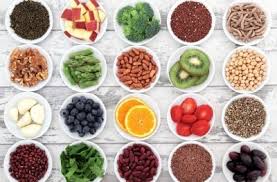 0 Comments 0 Shares 2K Views 0 Reviews1
-
Changing How You Eat, Part 1
As you may know, not fueling up with the right
nutrients can affect how well your body performs
and your overall fitness benefits. Even though
healthy eating is essential, and there are myths that
hinder your performance if you listen to them.
Below, you'll find some myth-busters on healthy
eating.
1. Working out on an empty stomach.
If you hear a rumbling noise in your stomach, the
rumbling is trying to tell you something. You are forcing your body to
run without fuel without listening to them. Before you exercise or do
any physical activity, always eat a light snack
such as an apple.
2. Relying on energy bars and drinks.
Although they are fine every once in a while, they
don't deliver the antioxidants you need to prevent
cancer. Fruits and vegetables are your best bets,
as they are loaded with vitamins, minerals, fluids,
and fibre.
3. Skipping breakfast.
Skipping breakfast is never a good idea, as
breakfast starts the day. Your body needs fuel
as soon as possible; without it, you'll be
hungry throughout the day.
4. Low carb diets.
Your body needs carbohydrates for your muscles and
the storing of energy.
#Fruits #Veg #Vitamins #Healthyfood #Health #GoodFoodChanging How You Eat, Part 1 As you may know, not fueling up with the right nutrients can affect how well your body performs and your overall fitness benefits. Even though healthy eating is essential, and there are myths that hinder your performance if you listen to them. Below, you'll find some myth-busters on healthy eating. 1. Working out on an empty stomach. If you hear a rumbling noise in your stomach, the rumbling is trying to tell you something. You are forcing your body to run without fuel without listening to them. Before you exercise or do any physical activity, always eat a light snack such as an apple. 2. Relying on energy bars and drinks. Although they are fine every once in a while, they don't deliver the antioxidants you need to prevent cancer. Fruits and vegetables are your best bets, as they are loaded with vitamins, minerals, fluids, and fibre. 3. Skipping breakfast. Skipping breakfast is never a good idea, as breakfast starts the day. Your body needs fuel as soon as possible; without it, you'll be hungry throughout the day. 4. Low carb diets. Your body needs carbohydrates for your muscles and the storing of energy. #Fruits #Veg #Vitamins #Healthyfood #Health #GoodFood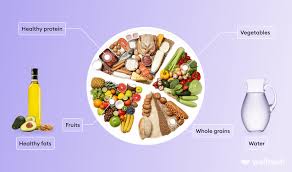 0 Comments 0 Shares 2K Views 0 Reviews1
-
Becoming A Healthy Eater
Being a healthy eater requires you to become both
educated and thoughtful about what healthy eating
is. Being food smart isn't about
learning to calculate grams of fat, or is it
about studying labels and counting calories.
Healthy eating is all about balanced and moderate
eating, consisting of healthy meals, at least
three times per day. Healthy eaters eat many
different types of foods, not limiting themselves
to one specific food type or food group.
Eating healthy requires quite a bit of leeway. You
might eat too much or not enough, consume
foods that are sometimes more or less nutritious.
However, you should constantly fuel your body and
your brain regularly with enough food to keep
both your mind and body, strong and alert.
A healthy eater is a good problem solver. Healthy
eaters have learned to take care of themselves
and their eating with sound judgement and making
wise decisions. Healthy eaters are always aware
of what they eat, and know the effect that it
will have on their bodies.
When someone is unable to take control of their
eating, they are also likely to get out of control
with other aspects of life as well. They could
end up spending too much, talking too much, even
going to bed later and later.
You should always remember that restricting food
in any way is always a bad thing. Healthy eating
is a way of life, something that you can do to
enhance your body or your lifestyle. If you've
thought about improving your life, healthy
eating is the place to start. You'll make
life easier for yourself, those around you, and
your family.
#Fruits #Veg #Vitamins #Healthyfood #Health #GoodFood
Becoming A Healthy Eater Being a healthy eater requires you to become both educated and thoughtful about what healthy eating is. Being food smart isn't about learning to calculate grams of fat, or is it about studying labels and counting calories. Healthy eating is all about balanced and moderate eating, consisting of healthy meals, at least three times per day. Healthy eaters eat many different types of foods, not limiting themselves to one specific food type or food group. Eating healthy requires quite a bit of leeway. You might eat too much or not enough, consume foods that are sometimes more or less nutritious. However, you should constantly fuel your body and your brain regularly with enough food to keep both your mind and body, strong and alert. A healthy eater is a good problem solver. Healthy eaters have learned to take care of themselves and their eating with sound judgement and making wise decisions. Healthy eaters are always aware of what they eat, and know the effect that it will have on their bodies. When someone is unable to take control of their eating, they are also likely to get out of control with other aspects of life as well. They could end up spending too much, talking too much, even going to bed later and later. You should always remember that restricting food in any way is always a bad thing. Healthy eating is a way of life, something that you can do to enhance your body or your lifestyle. If you've thought about improving your life, healthy eating is the place to start. You'll make life easier for yourself, those around you, and your family. #Fruits #Veg #Vitamins #Healthyfood #Health #GoodFood 0 Comments 0 Shares 2K Views 0 Reviews1

More Stories
