


Eating Healthy During Pregnancy, Part 2
Calories
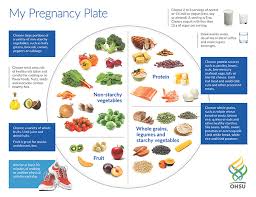
When you are pregnant, you need to consume around 300 calories more than usual every day. The best way to do this is by listening to your body when hungry. Try eating as many foods as possible from the bottom of the pyramid.
If you gain weight too slowly, try eating small meals and slightly increase the fat in your diet.
You should always eat when you are hungry, as you are now eating for 2 instead of one.
Calcium
By the second trimester, you'll need around 1,500 milligrams of calcium daily for your bones and
your baby, which is more than a quart of milk. Calcium is something that's missing from many
diets. Along with milk, other great sources of calcium include dairy products, calcium-fortified
juices, and even calcium tablets.
Fibre
Fibre can help to prevent constipation, which is a common pregnancy problem. You can find fiber in
whole grains, fruits, and even vegetables. Fiber supplements such as Metamucil and Citrucel are
safe to take during pregnancy.
Protein
Unless you happen to be a strict vegetarian, your protein intake is not usually a problem for women
who eat a healthy diet.
Iron
A lot of women will start their pregnancy off with a bit of iron deficiency. Good sources of iron
include dark, leafy green vegetables and meats. Iron supplements should be avoided, as they can cause internal symptoms such as cramping, constipation, or diarrhoea.
Vitamins
Seeing as you get most of the vitamins you need in your diet, you may want to discuss prenatal vitamins with your doctor. Folate is one of the most important, and if you are getting enough of it, you may be able to avoid vitamins altogether - ask your doctor to make sure.
#Fruits #Veg #Vitamins #Healthyfood #Health #GoodFood #HealthyPregnancy
Calories
When you are pregnant, you need to consume around 300 calories more than usual every day. The best way to do this is by listening to your body when hungry. Try eating as many foods as possible from the bottom of the pyramid.
If you gain weight too slowly, try eating small meals and slightly increase the fat in your diet.
You should always eat when you are hungry, as you are now eating for 2 instead of one.
Calcium
By the second trimester, you'll need around 1,500 milligrams of calcium daily for your bones and
your baby, which is more than a quart of milk. Calcium is something that's missing from many
diets. Along with milk, other great sources of calcium include dairy products, calcium-fortified
juices, and even calcium tablets.
Fibre
Fibre can help to prevent constipation, which is a common pregnancy problem. You can find fiber in
whole grains, fruits, and even vegetables. Fiber supplements such as Metamucil and Citrucel are
safe to take during pregnancy.
Protein
Unless you happen to be a strict vegetarian, your protein intake is not usually a problem for women
who eat a healthy diet.
Iron
A lot of women will start their pregnancy off with a bit of iron deficiency. Good sources of iron
include dark, leafy green vegetables and meats. Iron supplements should be avoided, as they can cause internal symptoms such as cramping, constipation, or diarrhoea.
Vitamins
Seeing as you get most of the vitamins you need in your diet, you may want to discuss prenatal vitamins with your doctor. Folate is one of the most important, and if you are getting enough of it, you may be able to avoid vitamins altogether - ask your doctor to make sure.
#Fruits #Veg #Vitamins #Healthyfood #Health #GoodFood #HealthyPregnancy
Eating Healthy During Pregnancy, Part 2
Calories
When you are pregnant, you need to consume around 300 calories more than usual every day. The best way to do this is by listening to your body when hungry. Try eating as many foods as possible from the bottom of the pyramid.
If you gain weight too slowly, try eating small meals and slightly increase the fat in your diet.
You should always eat when you are hungry, as you are now eating for 2 instead of one.
Calcium
By the second trimester, you'll need around 1,500 milligrams of calcium daily for your bones and
your baby, which is more than a quart of milk. Calcium is something that's missing from many
diets. Along with milk, other great sources of calcium include dairy products, calcium-fortified
juices, and even calcium tablets.
Fibre
Fibre can help to prevent constipation, which is a common pregnancy problem. You can find fiber in
whole grains, fruits, and even vegetables. Fiber supplements such as Metamucil and Citrucel are
safe to take during pregnancy.
Protein
Unless you happen to be a strict vegetarian, your protein intake is not usually a problem for women
who eat a healthy diet.
Iron
A lot of women will start their pregnancy off with a bit of iron deficiency. Good sources of iron
include dark, leafy green vegetables and meats. Iron supplements should be avoided, as they can cause internal symptoms such as cramping, constipation, or diarrhoea.
Vitamins
Seeing as you get most of the vitamins you need in your diet, you may want to discuss prenatal vitamins with your doctor. Folate is one of the most important, and if you are getting enough of it, you may be able to avoid vitamins altogether - ask your doctor to make sure.
#Fruits #Veg #Vitamins #Healthyfood #Health #GoodFood #HealthyPregnancy



 Arabic
 French
 Spanish
 Portuguese
 Deutsch
 Turkish
 Dutch
Dutch
 Italiano
 Russian
 Romaian
 Portuguese (Brazil)
 Greek
Greek
