


Eating for a Healthy Heart, Part 2
Choosing healthy fats and oils
Saturated fat will increase the risk of heart disease. It's found in meat, butter, and even coconut oil. You
should avoid them until your cholesterol levels are down and you are at a healthy weight. Even those
who love red meats can enjoy seafood and nuts as their main sources of protein.
Monounsaturated fats such as olive oils will help you to protect your heart. Olive oil is an ideal
choice for cooking, dressing, or even as a dipping sauce.
Plenty of fibre
Fiber can help you control your cholesterol. You can find fiber in whole-grain products to help
control sugar absorption as well, which will help you keep your digestive system healthy.
Choosing carbohydrates
Eating for your heart involves avoiding sugary foods such as candy, cookies, cakes, and
pastries. Eating a lot of sugar isn't suitable for your heart disease at all. Healthy carbohydrates
involve whole-grain breads, whole-grain pasta, brown rice, and many vegetables. You should make
fruits and vegetables the main aspect of your diet.
Healthy cooking methods
Stir frying and sauteing with olive oil or canola oil are both great methods, as you shouldn't dip
your food in batter and fry it anymore. If you cook chicken, remove the skin and bake it in the
oven in foil.
Instead of frying your fish, you should always bake it. Steaming your vegetables can help maintain the
most nutrients. You should use cream sauces or lots of butter anymore, either. When you eat vegetables, try squeezing lemon juice on them or using your favourite seasonings.
As you make the proper changes to your diet, keep in mind that it takes time for them to become habits. Eating healthy is always great for your body and your lifestyle, especially when it comes to your heart and the prevention of heart disease.
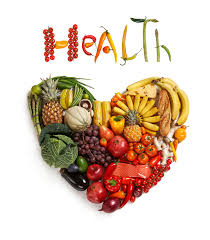
#Fruits #Veg #Vitamins #Healthyfood #Health #GoodFood #HealthyHeart
Choosing healthy fats and oils
Saturated fat will increase the risk of heart disease. It's found in meat, butter, and even coconut oil. You
should avoid them until your cholesterol levels are down and you are at a healthy weight. Even those
who love red meats can enjoy seafood and nuts as their main sources of protein.
Monounsaturated fats such as olive oils will help you to protect your heart. Olive oil is an ideal
choice for cooking, dressing, or even as a dipping sauce.
Plenty of fibre
Fiber can help you control your cholesterol. You can find fiber in whole-grain products to help
control sugar absorption as well, which will help you keep your digestive system healthy.
Choosing carbohydrates
Eating for your heart involves avoiding sugary foods such as candy, cookies, cakes, and
pastries. Eating a lot of sugar isn't suitable for your heart disease at all. Healthy carbohydrates
involve whole-grain breads, whole-grain pasta, brown rice, and many vegetables. You should make
fruits and vegetables the main aspect of your diet.
Healthy cooking methods
Stir frying and sauteing with olive oil or canola oil are both great methods, as you shouldn't dip
your food in batter and fry it anymore. If you cook chicken, remove the skin and bake it in the
oven in foil.
Instead of frying your fish, you should always bake it. Steaming your vegetables can help maintain the
most nutrients. You should use cream sauces or lots of butter anymore, either. When you eat vegetables, try squeezing lemon juice on them or using your favourite seasonings.
As you make the proper changes to your diet, keep in mind that it takes time for them to become habits. Eating healthy is always great for your body and your lifestyle, especially when it comes to your heart and the prevention of heart disease.
#Fruits #Veg #Vitamins #Healthyfood #Health #GoodFood #HealthyHeart
Eating for a Healthy Heart, Part 2
Choosing healthy fats and oils
Saturated fat will increase the risk of heart disease. It's found in meat, butter, and even coconut oil. You
should avoid them until your cholesterol levels are down and you are at a healthy weight. Even those
who love red meats can enjoy seafood and nuts as their main sources of protein.
Monounsaturated fats such as olive oils will help you to protect your heart. Olive oil is an ideal
choice for cooking, dressing, or even as a dipping sauce.
Plenty of fibre
Fiber can help you control your cholesterol. You can find fiber in whole-grain products to help
control sugar absorption as well, which will help you keep your digestive system healthy.
Choosing carbohydrates
Eating for your heart involves avoiding sugary foods such as candy, cookies, cakes, and
pastries. Eating a lot of sugar isn't suitable for your heart disease at all. Healthy carbohydrates
involve whole-grain breads, whole-grain pasta, brown rice, and many vegetables. You should make
fruits and vegetables the main aspect of your diet.
Healthy cooking methods
Stir frying and sauteing with olive oil or canola oil are both great methods, as you shouldn't dip
your food in batter and fry it anymore. If you cook chicken, remove the skin and bake it in the
oven in foil.
Instead of frying your fish, you should always bake it. Steaming your vegetables can help maintain the
most nutrients. You should use cream sauces or lots of butter anymore, either. When you eat vegetables, try squeezing lemon juice on them or using your favourite seasonings.
As you make the proper changes to your diet, keep in mind that it takes time for them to become habits. Eating healthy is always great for your body and your lifestyle, especially when it comes to your heart and the prevention of heart disease.
#Fruits #Veg #Vitamins #Healthyfood #Health #GoodFood #HealthyHeart



 Arabic
 French
 Spanish
 Portuguese
 Deutsch
 Turkish
 Dutch
Dutch
 Italiano
 Russian
 Romaian
 Portuguese (Brazil)
 Greek
Greek
