• https://superfoodly.com/unveiling-the-health-benefits-of-onions-for-men/
    Improved fertility: Onions are rich in antioxidants and minerals important for sperm health.Protection against testicular oxidative damage.Enhancement of libido and sexual function.Treatment of sexual dysfunctions like erectile dysfunction and premature ejaculation.Weight loss, cardiovascular health, immunity, and reduced inflammation.
    #Onions
    #Cardiovascularhealth
    https://superfoodly.com/unveiling-the-health-benefits-of-onions-for-men/ Improved fertility: Onions are rich in antioxidants and minerals important for sperm health.Protection against testicular oxidative damage.Enhancement of libido and sexual function.Treatment of sexual dysfunctions like erectile dysfunction and premature ejaculation.Weight loss, cardiovascular health, immunity, and reduced inflammation. #Onions #Cardiovascularhealth
    Love
    2
    1 Comments 0 Shares 5K Views 0 Reviews
  • Bananas are a tropical fruit that are soft, sweet, and full of nutrients. They are a good source of carbohydrates, fiber, potassium, vitamins, and minerals, and are also fat-free, cholesterol-free, and low in sodium:

    Potassium: Helps maintain healthy blood pressure and heart function

    Fiber: Helps with digestion and heart health, and can also help control blood sugar levels and remove cholesterol 
    Bananas are a tropical fruit that are soft, sweet, and full of nutrients. They are a good source of carbohydrates, fiber, potassium, vitamins, and minerals, and are also fat-free, cholesterol-free, and low in sodium: Potassium: Helps maintain healthy blood pressure and heart function Fiber: Helps with digestion and heart health, and can also help control blood sugar levels and remove cholesterol 
    0 Comments 0 Shares 10K Views 0 Reviews
  • Pineapples are incredibly healthy and offer a myriad of health benefits. They belong to the bromeliad family but are the only members that produce edible fruit, according to the Purdue University Center for New Crops and Plant Products.

    The fruit is made of multiple individual berries that grow together around a central core. Each pineapple scale is an individual flower or berry.

    Despite their unique anatomy, pineapples offer powerful nutritional benefits. They are a rich source of vitamin C, manganese, dietary fiber, and bromelain.

    Moreover, these delicious fruits also contain other important minerals and vitamins, such as folate, thiamin, riboflavin, potassium, beta-carotene, magnesium, vitamin B-6, and pantothenic acid.

    Due to the high antioxidant content, pineapples are believed to protect against cancer and other illnesses. They also prevent premature aging of the skin and reduce the signs of aging.

    Here are 8 more reasons why you should consume pineapples often:

    Anti-inflammatory
    Pineapples contain an enzyme called bromelain, that can be extracted from the stem and core of a pineapple. According to studies, it effectively reduces inflammation.

    Reduce Arthritis Pain
    Due to bromelain in their content, pineapples are known to alleviate muscle and joint inflammation, including inflammation due to arthritis.

    Improved digestion
    The high fiber content of pineapples, both soluble and insoluble, eases digestion and treats digestive issues like irritable bowel syndrome, diarrhea, and constipation.

    Regulate blood pressure
    These fruits are abundant in potassium, which acts as a vasodilator and reduces stress and tension in the blood vessels, prevents clotting, and stimulates blood circulation.

    Boost Immune System
    A single serving of pineapple provides around 130% of the recommended daily dose of Vitamin C, which stimulates the activity of white blood cells to boost the immune system and protect against illness or disease.

    Fight colds and coughs
    Vitamin C fights common colds and coughs, while bromelain reduces mucus in the respiratory tract and sinus cavities to clear up congestion and fight the cold.

    Bone health
    Pineapples are high in magnesium, a mineral that is vital for the health, growth, and repair of bones. A single serving of pineapple provides about 70% of the recommended daily intake of this mineral.

    Better oral health
    Pineapples have potent astringent properties that protect the teeth, prevent tooth loss, and strengthen the gums.
    #Live_Healthy.
    Pineapples are incredibly healthy and offer a myriad of health benefits. They belong to the bromeliad family but are the only members that produce edible fruit, according to the Purdue University Center for New Crops and Plant Products. The fruit is made of multiple individual berries that grow together around a central core. Each pineapple scale is an individual flower or berry. Despite their unique anatomy, pineapples offer powerful nutritional benefits. They are a rich source of vitamin C, manganese, dietary fiber, and bromelain. Moreover, these delicious fruits also contain other important minerals and vitamins, such as folate, thiamin, riboflavin, potassium, beta-carotene, magnesium, vitamin B-6, and pantothenic acid. Due to the high antioxidant content, pineapples are believed to protect against cancer and other illnesses. They also prevent premature aging of the skin and reduce the signs of aging. Here are 8 more reasons why you should consume pineapples often: Anti-inflammatory Pineapples contain an enzyme called bromelain, that can be extracted from the stem and core of a pineapple. According to studies, it effectively reduces inflammation. Reduce Arthritis Pain Due to bromelain in their content, pineapples are known to alleviate muscle and joint inflammation, including inflammation due to arthritis. Improved digestion The high fiber content of pineapples, both soluble and insoluble, eases digestion and treats digestive issues like irritable bowel syndrome, diarrhea, and constipation. Regulate blood pressure These fruits are abundant in potassium, which acts as a vasodilator and reduces stress and tension in the blood vessels, prevents clotting, and stimulates blood circulation. Boost Immune System A single serving of pineapple provides around 130% of the recommended daily dose of Vitamin C, which stimulates the activity of white blood cells to boost the immune system and protect against illness or disease. Fight colds and coughs Vitamin C fights common colds and coughs, while bromelain reduces mucus in the respiratory tract and sinus cavities to clear up congestion and fight the cold. Bone health Pineapples are high in magnesium, a mineral that is vital for the health, growth, and repair of bones. A single serving of pineapple provides about 70% of the recommended daily intake of this mineral. Better oral health Pineapples have potent astringent properties that protect the teeth, prevent tooth loss, and strengthen the gums. #Live_Healthy.
    Like
    1
    0 Comments 0 Shares 13K Views 0 Reviews
  • If you wanna lose some weight, try oat mill.
    Oats are a type of cereal grain that are rich in nutrients and have many health benefits. They are a good source of carbohydrates, fibre, and high-quality protein, as well as important vitamins, minerals, and antioxidants. Some of the health benefits of eating oats and oatmeal include weight loss, lower blood sugar levels, and a reduced risk of heart disease. Oats are also known to promote healthy skin and may reduce the risk of childhood asthma. Oatmeal is a popular breakfast food that can be prepared in many ways, including with water or milk. It can also be added to baked goods like muffins, granola bars, and cookies.
    If you wanna lose some weight, try oat mill. Oats are a type of cereal grain that are rich in nutrients and have many health benefits. They are a good source of carbohydrates, fibre, and high-quality protein, as well as important vitamins, minerals, and antioxidants. Some of the health benefits of eating oats and oatmeal include weight loss, lower blood sugar levels, and a reduced risk of heart disease. Oats are also known to promote healthy skin and may reduce the risk of childhood asthma. Oatmeal is a popular breakfast food that can be prepared in many ways, including with water or milk. It can also be added to baked goods like muffins, granola bars, and cookies.
    0 Comments 0 Shares 5K Views 0 Reviews
  • Watermelon
    As its name suggests watermelon has a high water content – approximately 92% – and may, as a result, help maintain hydration. It’s a useful source of vitamins and minerals, including vitamin C and potassium, and is especially rich in carotenoids, such as lycopene. In fact, the type of lycopene watermelon provides is more readily available, making this fruit an extremely valuable source.
    Watermelon As its name suggests watermelon has a high water content – approximately 92% – and may, as a result, help maintain hydration. It’s a useful source of vitamins and minerals, including vitamin C and potassium, and is especially rich in carotenoids, such as lycopene. In fact, the type of lycopene watermelon provides is more readily available, making this fruit an extremely valuable source.
    Love
    2
    2 Comments 0 Shares 7K Views 0 Reviews
  • Nutritional composition of cashew
    Cashews are known to be very nutritious and it is a powerhouse of proteins and various essential minerals such as calcium, copper, magnesium, phosphorus, iron, zinc and potassium. Sodium is also found to be present in trace amounts.

    Cashews contains the following vitamins:

    Vitamin B1 (thiamin)
    Vitamin B2 (riboflavin)
    Vitamin B3 (niacin)
    Vitamin B6
    Vitamin C,
    Folate

    Health benefits of cashew
    1. Heart health
    Cashews are good source of monounsaturated fats (healthy dietary fats) that are very friendly to the heart. The healthy dietary fats are essential for our body because they makes it possible for the body to absorb the fat-soluble vitamins A, D, E and K and produce fatty acids that are vital for the development of the brain and blood clotting.

    2. Weight management
    Cashew is known to contain a relatively high fat content (12 grams per ounce, 2 gram saturated fat), but it is also termed as “good fat”. It is a good fat because of the agreeable fat ratio in the nut of 1:2:1 for saturated, monounsaturated and poly-unsaturated respectively, which scientist have agreed that it is the ideal ratio for optimal health.

    3. Healthy muscles and nerves
    Cashew is vital for the development of bones, tissues, muscles, and organs of the body because it is a good source of magnesium. Magnesium also facilitates the maintenance of healthy blood pressure, sustain the immune system, maintain nerve functions and keep the bones strong. A deficiency of magnesium causes disruption in the metabolism of calcium and the hormones responsible for its regulation.

    4. Diabetes
    Since cashew contains a very low amount of sugar and no harmful cholesterol. it is highly safe for those suffering from diabetes. It is also effective in lowering the risk of type2 diabetes.

    5. Chemotherapy
    Cashew contains wealth of antioxidants like anacardic acids, cardanols and cardols. Research have proven that these antioxidants makes cashew to be effective for people undergoing treatments for tumour and cancer.

    6. Formation of red blood cells
    Cashew contains a huge amount of copper, and copper helps in iron metabolism, formation of red blood cells and assist in keeping bones and immune systems healthy. It is also vital for the nervous and skeletal system of the body. Copper deficiency in humans may result to anaemia, osteoporosis, and irregular heartbeats.

    7. Bone and oral health
    Phosphorus is also found in cashew, which is essential for the healthy development of teeth and bones. Phosphorus also assists in protein synthesis, maintenance of cellular health, absorption of carbohydrates and fats.


    8. Gall stones
    Gallstones are stone-like deposits that usually consist of cholesterol that accumulates in the gall bladder. The regular inclusion of healthy nuts like cashews can help to lower the risk of formation of gallstones.

    9. Immune system
    Cashew plays a vital role in the strengthening of the immune system because of the zinc contained in it. Zinc additionally helps in protein synthesis and healing of wounds.

    10. Cancer prevention
    Cashew are rich in proanthocyanidins, a class of flavanols that actually starve tumours and inhibits the division of cancer cells. Studies have also shown that cashews are capable of reducing the risk of colon cancers.

    11. Hair and skin health
    Cashews are rich in copper. Copper is an essential component of many enzymes and it plays a part in a broad array of processes. One copper-containing enzymes called tyrosinase, converts tyrosine to melanin, the pigment that gives colouration to the hair and skin.

    References: ehfblog.com
    Sylvanus Gbandeh's Health talks-Archives.
    Nutritional composition of cashew Cashews are known to be very nutritious and it is a powerhouse of proteins and various essential minerals such as calcium, copper, magnesium, phosphorus, iron, zinc and potassium. Sodium is also found to be present in trace amounts. Cashews contains the following vitamins: Vitamin B1 (thiamin) Vitamin B2 (riboflavin) Vitamin B3 (niacin) Vitamin B6 Vitamin C, Folate Health benefits of cashew 1. Heart health Cashews are good source of monounsaturated fats (healthy dietary fats) that are very friendly to the heart. The healthy dietary fats are essential for our body because they makes it possible for the body to absorb the fat-soluble vitamins A, D, E and K and produce fatty acids that are vital for the development of the brain and blood clotting. 2. Weight management Cashew is known to contain a relatively high fat content (12 grams per ounce, 2 gram saturated fat), but it is also termed as “good fat”. It is a good fat because of the agreeable fat ratio in the nut of 1:2:1 for saturated, monounsaturated and poly-unsaturated respectively, which scientist have agreed that it is the ideal ratio for optimal health. 3. Healthy muscles and nerves Cashew is vital for the development of bones, tissues, muscles, and organs of the body because it is a good source of magnesium. Magnesium also facilitates the maintenance of healthy blood pressure, sustain the immune system, maintain nerve functions and keep the bones strong. A deficiency of magnesium causes disruption in the metabolism of calcium and the hormones responsible for its regulation. 4. Diabetes Since cashew contains a very low amount of sugar and no harmful cholesterol. it is highly safe for those suffering from diabetes. It is also effective in lowering the risk of type2 diabetes. 5. Chemotherapy Cashew contains wealth of antioxidants like anacardic acids, cardanols and cardols. Research have proven that these antioxidants makes cashew to be effective for people undergoing treatments for tumour and cancer. 6. Formation of red blood cells Cashew contains a huge amount of copper, and copper helps in iron metabolism, formation of red blood cells and assist in keeping bones and immune systems healthy. It is also vital for the nervous and skeletal system of the body. Copper deficiency in humans may result to anaemia, osteoporosis, and irregular heartbeats. 7. Bone and oral health Phosphorus is also found in cashew, which is essential for the healthy development of teeth and bones. Phosphorus also assists in protein synthesis, maintenance of cellular health, absorption of carbohydrates and fats. 8. Gall stones Gallstones are stone-like deposits that usually consist of cholesterol that accumulates in the gall bladder. The regular inclusion of healthy nuts like cashews can help to lower the risk of formation of gallstones. 9. Immune system Cashew plays a vital role in the strengthening of the immune system because of the zinc contained in it. Zinc additionally helps in protein synthesis and healing of wounds. 10. Cancer prevention Cashew are rich in proanthocyanidins, a class of flavanols that actually starve tumours and inhibits the division of cancer cells. Studies have also shown that cashews are capable of reducing the risk of colon cancers. 11. Hair and skin health Cashews are rich in copper. Copper is an essential component of many enzymes and it plays a part in a broad array of processes. One copper-containing enzymes called tyrosinase, converts tyrosine to melanin, the pigment that gives colouration to the hair and skin. References: ehfblog.com Sylvanus Gbandeh's Health talks-Archives.
    Like
    Love
    2
    0 Comments 0 Shares 15K Views 0 Reviews
  • A nutritious fruit that is low in calories and high in vitamins, minerals, and water content. Eating cucumbers may lead to many potential health benefits, including weight loss, balanced hydration, digestive regularity, and lower blood sugar levels. Cucumbers are also rich in antioxidants, which can help reduce the risk of chronic illnesses such as cancer and heart disease.

    To maximize the health benefits of cucumbers, it is recommended to eat them with the peel, as it contains the maximum amount of nutrients. One 11-ounce (300-gram) unpeeled, raw cucumber contains the following nutrient.
    A nutritious fruit that is low in calories and high in vitamins, minerals, and water content. Eating cucumbers may lead to many potential health benefits, including weight loss, balanced hydration, digestive regularity, and lower blood sugar levels. Cucumbers are also rich in antioxidants, which can help reduce the risk of chronic illnesses such as cancer and heart disease. To maximize the health benefits of cucumbers, it is recommended to eat them with the peel, as it contains the maximum amount of nutrients. One 11-ounce (300-gram) unpeeled, raw cucumber contains the following nutrient.
    0 Comments 0 Shares 5K Views 0 Reviews
  • Eat apples they're so healthy and good for the body.

    Apples are a nutritious fruit that offer multiple health benefits. They are a good source of fiber, vitamins, and minerals such as Vitamin C and potassium. Apples also contain antioxidants, which can help protect the body against damage from free radicals.
    #Vitamin
    Eat apples 🍎 they're so healthy and good for the body. Apples are a nutritious fruit that offer multiple health benefits. They are a good source of fiber, vitamins, and minerals such as Vitamin C and potassium. Apples also contain antioxidants, which can help protect the body against damage from free radicals. #Vitamin
    0 Comments 0 Shares 3K Views 0 Reviews
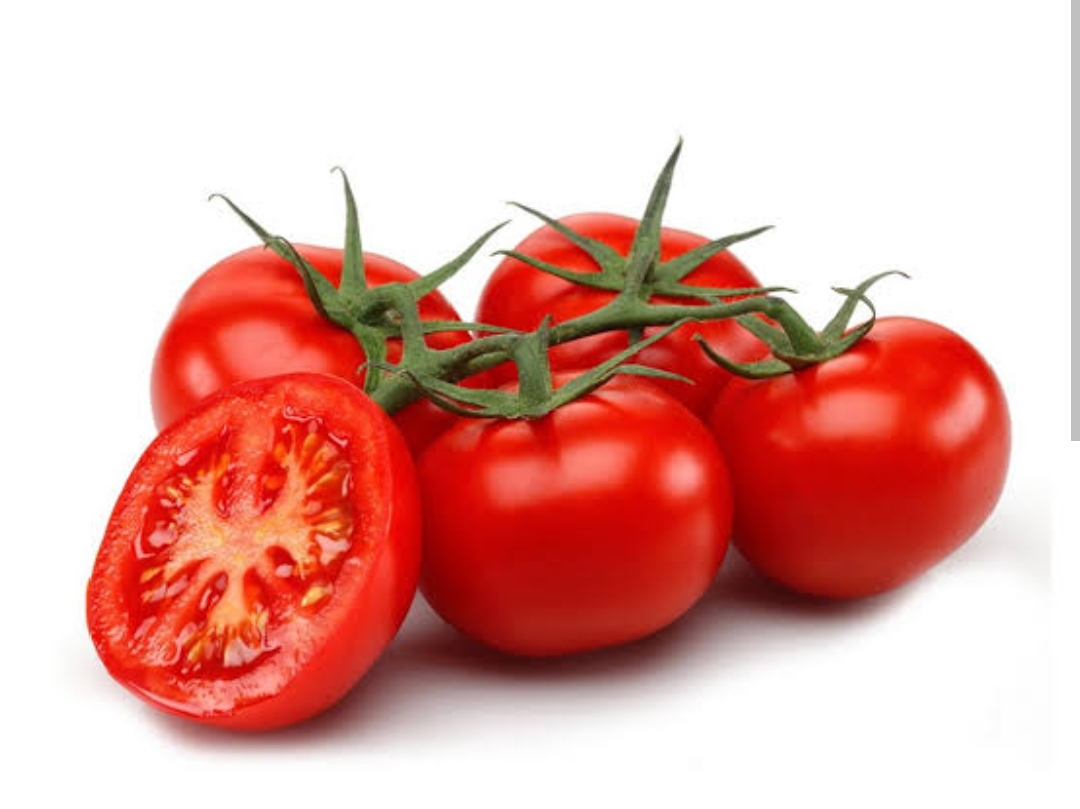
  • Tomatoes are rich in vitamins, minerals, and antioxidants. They provide a good source of vitamin C, potassium, and folate. The antioxidants, such as lycopene, found in tomatoes may contribute to heart health, reduce the risk of certain cancers, and support skin health. Tomatoes are also low in calories and can be a good addition to a weight-conscious diet. Incorporating a variety of fruits and vegetables, including tomatoes, into your diet can contribute to overall health and well-being.
    Tomatoes are rich in vitamins, minerals, and antioxidants. They provide a good source of vitamin C, potassium, and folate. The antioxidants, such as lycopene, found in tomatoes may contribute to heart health, reduce the risk of certain cancers, and support skin health. Tomatoes are also low in calories and can be a good addition to a weight-conscious diet. Incorporating a variety of fruits and vegetables, including tomatoes, into your diet can contribute to overall health and well-being.
    Love
    2
    0 Comments 0 Shares 4K Views 0 Reviews
  • Cayenne Pepper for the heart.
    #CayennePepper #TrueScience #Health #minerals
    https://twitter.com/thehealthb0t/status/1700796358557360406?s=20
    Cayenne Pepper for the heart. #CayennePepper #TrueScience #Health #minerals https://twitter.com/thehealthb0t/status/1700796358557360406?s=20
    0 Comments 0 Shares 4K Views 0 Reviews
More Results
Sponsored
IOHAH (Institute of Health and Healing) https://iohah.com