• PUMPKIN PIE
    Make this easy vegan version of a classic Thanksgiving dessert. Filled with sweet pumpkin and warming spice, our indulgent pumpkin pie is great for sharing.

    STEP 1
    Heat oven to 180C/160C fan/gas 4. Toss the pumpkin (or squash) in a little oil on a baking tray. Roast until soft enough to squash with the back of a fork – this can take between 40 mins and 1 hr, depending on the type of pumpkin or squash you use. Set aside to cool.

    STEP 2
    Meanwhile, on a lightly floured work surface, roll out the pastry to the thickness of a £1 coin. Drape it over your rolling pin and lift into a 23cm fluted tart tin. Push the pastry into the corners of the tin using a scrap of excess pastry (you’re less likely to pierce the pastry this way than using a finger). Trim the excess pastry, leaving about 1cm hanging over the edge of the tin; it will shrink as it cooks. Chill for 20 mins.

    STEP 3
    Increase the oven to 200C/180C fan/gas 6. Line the tart case with a sheet of baking parchment (scrunch it up first to make it more pliable), then fill with baking beans or dry rice. Bake for 15 mins until the sides look golden, then remove the parchment and filling. Bake for another 5-10 mins until the base looks biscuity and dry. Trim the edges with a small, serrated knife.

    STEP 4
    Tip the roasted pumpkin (or squash), maple syrup, sugar, salt, spices, cornflour and milk into a food processor or blender and blitz until smooth. Pour through a sieve into a small pan and cook for 5 mins, stirring continuously, until thickened.

    STEP 5
    Fill the tart case with the pumpkin filling, then return to the oven and lower the heat to 180C/160C fan/gas 4. Bake for 30 mins until the filling is set when you wobble the tart tin. Cool for 20-25 mins. Dust with icing sugar and serve warm, or chill and serve within two days.

    #Vegan #Veg #Vitamins #Healthyfood #PumpkinPie
    PUMPKIN PIE Make this easy vegan version of a classic Thanksgiving dessert. Filled with sweet pumpkin and warming spice, our indulgent pumpkin pie is great for sharing. STEP 1 Heat oven to 180C/160C fan/gas 4. Toss the pumpkin (or squash) in a little oil on a baking tray. Roast until soft enough to squash with the back of a fork – this can take between 40 mins and 1 hr, depending on the type of pumpkin or squash you use. Set aside to cool. STEP 2 Meanwhile, on a lightly floured work surface, roll out the pastry to the thickness of a £1 coin. Drape it over your rolling pin and lift into a 23cm fluted tart tin. Push the pastry into the corners of the tin using a scrap of excess pastry (you’re less likely to pierce the pastry this way than using a finger). Trim the excess pastry, leaving about 1cm hanging over the edge of the tin; it will shrink as it cooks. Chill for 20 mins. STEP 3 Increase the oven to 200C/180C fan/gas 6. Line the tart case with a sheet of baking parchment (scrunch it up first to make it more pliable), then fill with baking beans or dry rice. Bake for 15 mins until the sides look golden, then remove the parchment and filling. Bake for another 5-10 mins until the base looks biscuity and dry. Trim the edges with a small, serrated knife. STEP 4 Tip the roasted pumpkin (or squash), maple syrup, sugar, salt, spices, cornflour and milk into a food processor or blender and blitz until smooth. Pour through a sieve into a small pan and cook for 5 mins, stirring continuously, until thickened. STEP 5 Fill the tart case with the pumpkin filling, then return to the oven and lower the heat to 180C/160C fan/gas 4. Bake for 30 mins until the filling is set when you wobble the tart tin. Cool for 20-25 mins. Dust with icing sugar and serve warm, or chill and serve within two days. #Vegan #Veg #Vitamins #Healthyfood #PumpkinPie
    Like
    Love
    2
    0 Commentarios 0 Acciones 9K Views 0 Vista previa
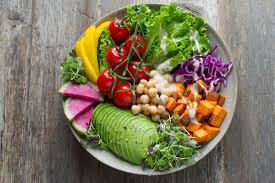
  • The vegetarian way of eating can be a very healthy style of eating. The rules still apply to healthy eating, although you should add variety, balance, and moderation.
    A vegetarian avoids all types of meat, whether it be hamburgers, hotdogs, chicken, or even fish. Vegetarians are also sometimes classified by the kind of food they are or aren't willing to eat. For example, Lacto-ovo vegetarians will avoid animal flesh, yet they will eat eggs and most dairy products. A Vegan, on the other hand, will avoid all food with any trace of animal origin.

    Proteins
    It is a myth that we must eat meat to get enough protein. Although you may not realize it, the average American consumes more protein than needed. For the lacto-ovo vegetarian, dairy products are an excellent source of protein. Vegans, on the other hand, get their protein from nuts, seeds, and soy products.
    Along the lines of beans, there are several to choose from, including green or red lentils, peanuts, split peas, pinto, soy, kidney, and many more. You are already familiar with some of them, such as kidney beans in chilli, refried beans in Mexican dishes, red beans and rice, and pinto beans. Although some beans taste good as they are, others are available with different flavours to help enhance their taste. Nuts are high in protein, but they deliver much fatter than beans, so you should enjoy them in moderation. Having One cup of cooked beans will give you the same amount of protein as eating two ounces of meat!

    The Nutrients
    The nutrients of concern for vegans who avoid all types of animal food are vitamin B12, calcium, and vitamin D. In the average North American diet, the primary source for B12 is animals. To have an adequate intake of B12, vegans should regularly consume vitamin B12 supplements or foods which contain vitamin B12, such as soy products or milk.
    For calcium, vegans can rely on orange juice or soy milk, fortified with calcium. Beans and leafy green vegetables will also contain some calcium as well.
    Although all types of vegetarians rely on simple food groups, controlling your vitamins and calcium intake is something you should always do. This is very important for eating healthy, as well as staying fit. If you control what you eat, you'll have many years of healthy eating ahead of you.
    The vegetarian way of eating can be a very healthy style of eating. The rules still apply to healthy eating, although you should add variety, balance, and moderation. A vegetarian avoids all types of meat, whether it be hamburgers, hotdogs, chicken, or even fish. Vegetarians are also sometimes classified by the kind of food they are or aren't willing to eat. For example, Lacto-ovo vegetarians will avoid animal flesh, yet they will eat eggs and most dairy products. A Vegan, on the other hand, will avoid all food with any trace of animal origin. Proteins It is a myth that we must eat meat to get enough protein. Although you may not realize it, the average American consumes more protein than needed. For the lacto-ovo vegetarian, dairy products are an excellent source of protein. Vegans, on the other hand, get their protein from nuts, seeds, and soy products. Along the lines of beans, there are several to choose from, including green or red lentils, peanuts, split peas, pinto, soy, kidney, and many more. You are already familiar with some of them, such as kidney beans in chilli, refried beans in Mexican dishes, red beans and rice, and pinto beans. Although some beans taste good as they are, others are available with different flavours to help enhance their taste. Nuts are high in protein, but they deliver much fatter than beans, so you should enjoy them in moderation. Having One cup of cooked beans will give you the same amount of protein as eating two ounces of meat! The Nutrients The nutrients of concern for vegans who avoid all types of animal food are vitamin B12, calcium, and vitamin D. In the average North American diet, the primary source for B12 is animals. To have an adequate intake of B12, vegans should regularly consume vitamin B12 supplements or foods which contain vitamin B12, such as soy products or milk. For calcium, vegans can rely on orange juice or soy milk, fortified with calcium. Beans and leafy green vegetables will also contain some calcium as well. Although all types of vegetarians rely on simple food groups, controlling your vitamins and calcium intake is something you should always do. This is very important for eating healthy, as well as staying fit. If you control what you eat, you'll have many years of healthy eating ahead of you.
    Eating Healthy For Vegetarians

    The vegetarian way of eating can be a very healthy style of eating. The rules still apply to healthy eating, although you should add variety, balance, and moderation.
    A vegetarian avoids all types of meat, whether hamburgers, hotdogs, chicken, or even fish. Vegetarians are also sometimes classified by the kind of food they are or aren't willing to eat. For example, Lacto-ovo vegetarians will avoid animal flesh, yet they will eat eggs and most dairy products. A Vegan, on the other hand, will avoid all food with any trace of animal origin.

    Proteins
    It is a myth that we must eat meat to get enough protein. Although you may not realize it, the average American consumes more protein than needed. For the lacto-ovo vegetarian, dairy products are an excellent source of protein. Vegans, on the other hand, get their protein from nuts, seeds, and soy products.
    Along the lines of beans, there are several to choose from, including green or red lentils, peanuts, split peas, pinto, soy, kidney, and many more. You are already familiar with some of them, such as kidney beans in chilli, refried beans in Mexican dishes, red beans and rice, and pinto beans. Although some beans taste good as they are, others are available with different flavours to help enhance their taste. Nuts are high in protein but deliver much fatter than beans, so you should enjoy them in moderation. Having One cup of cooked beans will give you the same amount of protein as eating two ounces of meat!

    The Nutrients
    The nutrients of concern for vegans who avoid all types of animal food are vitamin B12, calcium, and vitamin D. In the average North American diet, the primary source for B12 is animals. To have an adequate intake of B12, vegans should regularly consume vitamin B12 supplements or foods which contain vitamin B12, such as soy products or milk.
    For calcium, vegans can rely on orange juice or soy milk, fortified with calcium. Beans and leafy green vegetables will also contain some calcium as well.
    Although all types of vegetarians rely on simple food groups, controlling your vitamins and calcium intake is something you should always do. This is very important for eating healthy, as well as staying fit. If you control what you eat, you'll have many years of healthy eating ahead of you.

    #Fruits #Veg #Vitamins #Healthyfood #Health #GoodFood
    Like
    1
    0 Commentarios 0 Acciones 10K Views 0 Vista previa
  • Eating Healthy For Vegetarians

    The vegetarian way of eating can be a very healthy style of eating. The rules still apply to healthy eating, although you should add variety, balance, and moderation.
    A vegetarian avoids all types of meat, whether hamburgers, hotdogs, chicken, or even fish. Vegetarians are also sometimes classified by the kind of food they are or aren't willing to eat. For example, Lacto-ovo vegetarians will avoid animal flesh, yet they will eat eggs and most dairy products. A Vegan, on the other hand, will avoid all food with any trace of animal origin.

    Proteins
    It is a myth that we must eat meat to get enough protein. Although you may not realize it, the average American consumes more protein than needed. For the lacto-ovo vegetarian, dairy products are an excellent source of protein. Vegans, on the other hand, get their protein from nuts, seeds, and soy products.
    Along the lines of beans, there are several to choose from, including green or red lentils, peanuts, split peas, pinto, soy, kidney, and many more. You are already familiar with some of them, such as kidney beans in chilli, refried beans in Mexican dishes, red beans and rice, and pinto beans. Although some beans taste good as they are, others are available with different flavours to help enhance their taste. Nuts are high in protein but deliver much fatter than beans, so you should enjoy them in moderation. Having One cup of cooked beans will give you the same amount of protein as eating two ounces of meat!

    The Nutrients
    The nutrients of concern for vegans who avoid all types of animal food are vitamin B12, calcium, and vitamin D. In the average North American diet, the primary source for B12 is animals. To have an adequate intake of B12, vegans should regularly consume vitamin B12 supplements or foods which contain vitamin B12, such as soy products or milk.
    For calcium, vegans can rely on orange juice or soy milk, fortified with calcium. Beans and leafy green vegetables will also contain some calcium as well.
    Although all types of vegetarians rely on simple food groups, controlling your vitamins and calcium intake is something you should always do. This is very important for eating healthy, as well as staying fit. If you control what you eat, you'll have many years of healthy eating ahead of you.

    #Fruits #Veg #Vitamins #Healthyfood #Health #GoodFood
    Eating Healthy For Vegetarians The vegetarian way of eating can be a very healthy style of eating. The rules still apply to healthy eating, although you should add variety, balance, and moderation. A vegetarian avoids all types of meat, whether hamburgers, hotdogs, chicken, or even fish. Vegetarians are also sometimes classified by the kind of food they are or aren't willing to eat. For example, Lacto-ovo vegetarians will avoid animal flesh, yet they will eat eggs and most dairy products. A Vegan, on the other hand, will avoid all food with any trace of animal origin. Proteins It is a myth that we must eat meat to get enough protein. Although you may not realize it, the average American consumes more protein than needed. For the lacto-ovo vegetarian, dairy products are an excellent source of protein. Vegans, on the other hand, get their protein from nuts, seeds, and soy products. Along the lines of beans, there are several to choose from, including green or red lentils, peanuts, split peas, pinto, soy, kidney, and many more. You are already familiar with some of them, such as kidney beans in chilli, refried beans in Mexican dishes, red beans and rice, and pinto beans. Although some beans taste good as they are, others are available with different flavours to help enhance their taste. Nuts are high in protein but deliver much fatter than beans, so you should enjoy them in moderation. Having One cup of cooked beans will give you the same amount of protein as eating two ounces of meat! The Nutrients The nutrients of concern for vegans who avoid all types of animal food are vitamin B12, calcium, and vitamin D. In the average North American diet, the primary source for B12 is animals. To have an adequate intake of B12, vegans should regularly consume vitamin B12 supplements or foods which contain vitamin B12, such as soy products or milk. For calcium, vegans can rely on orange juice or soy milk, fortified with calcium. Beans and leafy green vegetables will also contain some calcium as well. Although all types of vegetarians rely on simple food groups, controlling your vitamins and calcium intake is something you should always do. This is very important for eating healthy, as well as staying fit. If you control what you eat, you'll have many years of healthy eating ahead of you. #Fruits #Veg #Vitamins #Healthyfood #Health #GoodFood
    Like
    Love
    2
    0 Commentarios 1 Acciones 18K Views 0 Vista previa
Patrocinados
IOHAH (Institute of Health and Healing) https://iohah.com