• https://x.com/ValerieAnne1970/status/2005950459480076618?s=20
    "The flu shot sets you up for flu, 36% pathogenic priming for COVID & boosts non-flu illnesses like pneumonia 440%."
    Check out this evidence—ingredients, research & figures that deserve informed consent.
    Harmful Components in Flu Vaccines (injected straight into your blood):
    • Formaldehyde – a recognized carcinogen
    • Thimerosal (ethylmercury) – neurotoxic additive in multi-dose vials common in big corporate clinics & hospitals.
    • Polysorbate 80 – penetrates the blood-brain barrier, associated with infertility.
    • Neomycin – antibiotic known to cause serious allergies
    • Egg proteins & dog kidney cells – potential allergens plus foreign DNA bits. *Choosing 'Egg Free' version contains Armyworm Ovary DNA.
    • Squalene MF59 (in adjuvanted versions) – connected to autoimmune issues from Gulf War Syndrome

    Crucial Research Revealing the Risks:
    • Cochrane Review & Cowling et al. (2012): Flu vaccine raised non-flu respiratory issues 4.4X, including COVID & pneumonia—a 440% spike!
    • Pentagon Study (2017–2018): Troops who got the flu shot faced 36% greater chance of coronavirus.
    • Skowronski et al. (2009): Verified vaccine-associated enhanced illness.
    • Various meta-analyses (2022): Indicate interference and elevated danger for specific strains.

    Alarming Data:
    • VAERS (up to 2025): 235,818 reports of adverse reactions, 1,024 hospitalizations, with huge underreporting.
    • Guillain-Barré Syndrome: 1 per million doses (per WHO)
    • Kids who are vaccinated: 4.4X higher odds of other respiratory viruses.
    • Service members: 36% heightened coronavirus risk post-flu shot.

    Your body's natural defenses outsmart Big Pharma's assumptions. Strengthen them via nutrition, natural prevention, natural treatment...skip the injections.

    RT if you've passed on the flu vaccine. Drop your experience below Opt out of the jab. Guard your wellness.
    https://x.com/ValerieAnne1970/status/2005950459480076618?s=20 "The flu shot sets you up for flu, 36% pathogenic priming for COVID & boosts non-flu illnesses like pneumonia 440%." Check out this evidence—ingredients, research & figures that deserve informed consent. 🧪 Harmful Components in Flu Vaccines (injected straight into your blood): • Formaldehyde – a recognized carcinogen • Thimerosal (ethylmercury) – neurotoxic additive in multi-dose vials common in big corporate clinics & hospitals. • Polysorbate 80 – penetrates the blood-brain barrier, associated with infertility. • Neomycin – antibiotic known to cause serious allergies • Egg proteins & dog kidney cells – potential allergens plus foreign DNA bits. *Choosing 'Egg Free' version contains Armyworm Ovary DNA. • Squalene MF59 (in adjuvanted versions) – connected to autoimmune issues from Gulf War Syndrome 🔬 Crucial Research Revealing the Risks: • Cochrane Review & Cowling et al. (2012): Flu vaccine raised non-flu respiratory issues 4.4X, including COVID & pneumonia—a 440% spike! • Pentagon Study (2017–2018): Troops who got the flu shot faced 36% greater chance of coronavirus. • Skowronski et al. (2009): Verified vaccine-associated enhanced illness. • Various meta-analyses (2022): Indicate interference and elevated danger for specific strains. 📊 Alarming Data: • VAERS (up to 2025): 235,818 reports of adverse reactions, 1,024 hospitalizations, with huge underreporting. • Guillain-Barré Syndrome: 1 per million doses (per WHO) • Kids who are vaccinated: 4.4X higher odds of other respiratory viruses. • Service members: 36% heightened coronavirus risk post-flu shot. Your body's natural defenses outsmart Big Pharma's assumptions. Strengthen them via nutrition, natural prevention, natural treatment...skip the injections. RT if you've passed on the flu vaccine. Drop your experience below ⬇️ Opt out of the jab. Guard your wellness.
    Angry
    1
    0 Comments 0 Shares 3K Views 0 Reviews
  • Eat fatty fish
    Fish is a great source of high-quality protein and healthy fat. This is particularly true of fatty fish, such as salmon, which is loaded with anti-inflammatory omega-3 fatty acids and various other nutrients (20Trusted Source, 21Trusted Source).

    Studies show that people who eat fish regularly have a lower risk for several conditions, including heart disease, dementia, and inflammatory bowel disease.
    #Proteins #FattyFish #ImmuneBoosting
    Eat fatty fish Fish is a great source of high-quality protein and healthy fat. This is particularly true of fatty fish, such as salmon, which is loaded with anti-inflammatory omega-3 fatty acids and various other nutrients (20Trusted Source, 21Trusted Source). Studies show that people who eat fish regularly have a lower risk for several conditions, including heart disease, dementia, and inflammatory bowel disease. #Proteins #FattyFish #ImmuneBoosting
    Like
    1
    0 Comments 0 Shares 9K Views 0 Reviews
  • Nutritional composition of cashew
    Cashews are known to be very nutritious and it is a powerhouse of proteins and various essential minerals such as calcium, copper, magnesium, phosphorus, iron, zinc and potassium. Sodium is also found to be present in trace amounts.

    Cashews contains the following vitamins:

    Vitamin B1 (thiamin)
    Vitamin B2 (riboflavin)
    Vitamin B3 (niacin)
    Vitamin B6
    Vitamin C,
    Folate

    Health benefits of cashew
    1. Heart health
    Cashews are good source of monounsaturated fats (healthy dietary fats) that are very friendly to the heart. The healthy dietary fats are essential for our body because they makes it possible for the body to absorb the fat-soluble vitamins A, D, E and K and produce fatty acids that are vital for the development of the brain and blood clotting.

    2. Weight management
    Cashew is known to contain a relatively high fat content (12 grams per ounce, 2 gram saturated fat), but it is also termed as “good fat”. It is a good fat because of the agreeable fat ratio in the nut of 1:2:1 for saturated, monounsaturated and poly-unsaturated respectively, which scientist have agreed that it is the ideal ratio for optimal health.

    3. Healthy muscles and nerves
    Cashew is vital for the development of bones, tissues, muscles, and organs of the body because it is a good source of magnesium. Magnesium also facilitates the maintenance of healthy blood pressure, sustain the immune system, maintain nerve functions and keep the bones strong. A deficiency of magnesium causes disruption in the metabolism of calcium and the hormones responsible for its regulation.

    4. Diabetes
    Since cashew contains a very low amount of sugar and no harmful cholesterol. it is highly safe for those suffering from diabetes. It is also effective in lowering the risk of type2 diabetes.

    5. Chemotherapy
    Cashew contains wealth of antioxidants like anacardic acids, cardanols and cardols. Research have proven that these antioxidants makes cashew to be effective for people undergoing treatments for tumour and cancer.

    6. Formation of red blood cells
    Cashew contains a huge amount of copper, and copper helps in iron metabolism, formation of red blood cells and assist in keeping bones and immune systems healthy. It is also vital for the nervous and skeletal system of the body. Copper deficiency in humans may result to anaemia, osteoporosis, and irregular heartbeats.

    7. Bone and oral health
    Phosphorus is also found in cashew, which is essential for the healthy development of teeth and bones. Phosphorus also assists in protein synthesis, maintenance of cellular health, absorption of carbohydrates and fats.


    8. Gall stones
    Gallstones are stone-like deposits that usually consist of cholesterol that accumulates in the gall bladder. The regular inclusion of healthy nuts like cashews can help to lower the risk of formation of gallstones.

    9. Immune system
    Cashew plays a vital role in the strengthening of the immune system because of the zinc contained in it. Zinc additionally helps in protein synthesis and healing of wounds.

    10. Cancer prevention
    Cashew are rich in proanthocyanidins, a class of flavanols that actually starve tumours and inhibits the division of cancer cells. Studies have also shown that cashews are capable of reducing the risk of colon cancers.

    11. Hair and skin health
    Cashews are rich in copper. Copper is an essential component of many enzymes and it plays a part in a broad array of processes. One copper-containing enzymes called tyrosinase, converts tyrosine to melanin, the pigment that gives colouration to the hair and skin.

    References: ehfblog.com
    Sylvanus Gbandeh's Health talks-Archives.
    Nutritional composition of cashew Cashews are known to be very nutritious and it is a powerhouse of proteins and various essential minerals such as calcium, copper, magnesium, phosphorus, iron, zinc and potassium. Sodium is also found to be present in trace amounts. Cashews contains the following vitamins: Vitamin B1 (thiamin) Vitamin B2 (riboflavin) Vitamin B3 (niacin) Vitamin B6 Vitamin C, Folate Health benefits of cashew 1. Heart health Cashews are good source of monounsaturated fats (healthy dietary fats) that are very friendly to the heart. The healthy dietary fats are essential for our body because they makes it possible for the body to absorb the fat-soluble vitamins A, D, E and K and produce fatty acids that are vital for the development of the brain and blood clotting. 2. Weight management Cashew is known to contain a relatively high fat content (12 grams per ounce, 2 gram saturated fat), but it is also termed as “good fat”. It is a good fat because of the agreeable fat ratio in the nut of 1:2:1 for saturated, monounsaturated and poly-unsaturated respectively, which scientist have agreed that it is the ideal ratio for optimal health. 3. Healthy muscles and nerves Cashew is vital for the development of bones, tissues, muscles, and organs of the body because it is a good source of magnesium. Magnesium also facilitates the maintenance of healthy blood pressure, sustain the immune system, maintain nerve functions and keep the bones strong. A deficiency of magnesium causes disruption in the metabolism of calcium and the hormones responsible for its regulation. 4. Diabetes Since cashew contains a very low amount of sugar and no harmful cholesterol. it is highly safe for those suffering from diabetes. It is also effective in lowering the risk of type2 diabetes. 5. Chemotherapy Cashew contains wealth of antioxidants like anacardic acids, cardanols and cardols. Research have proven that these antioxidants makes cashew to be effective for people undergoing treatments for tumour and cancer. 6. Formation of red blood cells Cashew contains a huge amount of copper, and copper helps in iron metabolism, formation of red blood cells and assist in keeping bones and immune systems healthy. It is also vital for the nervous and skeletal system of the body. Copper deficiency in humans may result to anaemia, osteoporosis, and irregular heartbeats. 7. Bone and oral health Phosphorus is also found in cashew, which is essential for the healthy development of teeth and bones. Phosphorus also assists in protein synthesis, maintenance of cellular health, absorption of carbohydrates and fats. 8. Gall stones Gallstones are stone-like deposits that usually consist of cholesterol that accumulates in the gall bladder. The regular inclusion of healthy nuts like cashews can help to lower the risk of formation of gallstones. 9. Immune system Cashew plays a vital role in the strengthening of the immune system because of the zinc contained in it. Zinc additionally helps in protein synthesis and healing of wounds. 10. Cancer prevention Cashew are rich in proanthocyanidins, a class of flavanols that actually starve tumours and inhibits the division of cancer cells. Studies have also shown that cashews are capable of reducing the risk of colon cancers. 11. Hair and skin health Cashews are rich in copper. Copper is an essential component of many enzymes and it plays a part in a broad array of processes. One copper-containing enzymes called tyrosinase, converts tyrosine to melanin, the pigment that gives colouration to the hair and skin. References: ehfblog.com Sylvanus Gbandeh's Health talks-Archives.
    Like
    Love
    2
    0 Comments 0 Shares 15K Views 0 Reviews
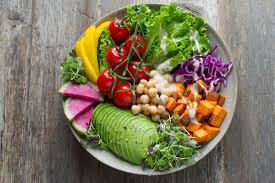
  • The vegetarian way of eating can be a very healthy style of eating. The rules still apply to healthy eating, although you should add variety, balance, and moderation.
    A vegetarian avoids all types of meat, whether it be hamburgers, hotdogs, chicken, or even fish. Vegetarians are also sometimes classified by the kind of food they are or aren't willing to eat. For example, Lacto-ovo vegetarians will avoid animal flesh, yet they will eat eggs and most dairy products. A Vegan, on the other hand, will avoid all food with any trace of animal origin.

    Proteins
    It is a myth that we must eat meat to get enough protein. Although you may not realize it, the average American consumes more protein than needed. For the lacto-ovo vegetarian, dairy products are an excellent source of protein. Vegans, on the other hand, get their protein from nuts, seeds, and soy products.
    Along the lines of beans, there are several to choose from, including green or red lentils, peanuts, split peas, pinto, soy, kidney, and many more. You are already familiar with some of them, such as kidney beans in chilli, refried beans in Mexican dishes, red beans and rice, and pinto beans. Although some beans taste good as they are, others are available with different flavours to help enhance their taste. Nuts are high in protein, but they deliver much fatter than beans, so you should enjoy them in moderation. Having One cup of cooked beans will give you the same amount of protein as eating two ounces of meat!

    The Nutrients
    The nutrients of concern for vegans who avoid all types of animal food are vitamin B12, calcium, and vitamin D. In the average North American diet, the primary source for B12 is animals. To have an adequate intake of B12, vegans should regularly consume vitamin B12 supplements or foods which contain vitamin B12, such as soy products or milk.
    For calcium, vegans can rely on orange juice or soy milk, fortified with calcium. Beans and leafy green vegetables will also contain some calcium as well.
    Although all types of vegetarians rely on simple food groups, controlling your vitamins and calcium intake is something you should always do. This is very important for eating healthy, as well as staying fit. If you control what you eat, you'll have many years of healthy eating ahead of you.
    The vegetarian way of eating can be a very healthy style of eating. The rules still apply to healthy eating, although you should add variety, balance, and moderation. A vegetarian avoids all types of meat, whether it be hamburgers, hotdogs, chicken, or even fish. Vegetarians are also sometimes classified by the kind of food they are or aren't willing to eat. For example, Lacto-ovo vegetarians will avoid animal flesh, yet they will eat eggs and most dairy products. A Vegan, on the other hand, will avoid all food with any trace of animal origin. Proteins It is a myth that we must eat meat to get enough protein. Although you may not realize it, the average American consumes more protein than needed. For the lacto-ovo vegetarian, dairy products are an excellent source of protein. Vegans, on the other hand, get their protein from nuts, seeds, and soy products. Along the lines of beans, there are several to choose from, including green or red lentils, peanuts, split peas, pinto, soy, kidney, and many more. You are already familiar with some of them, such as kidney beans in chilli, refried beans in Mexican dishes, red beans and rice, and pinto beans. Although some beans taste good as they are, others are available with different flavours to help enhance their taste. Nuts are high in protein, but they deliver much fatter than beans, so you should enjoy them in moderation. Having One cup of cooked beans will give you the same amount of protein as eating two ounces of meat! The Nutrients The nutrients of concern for vegans who avoid all types of animal food are vitamin B12, calcium, and vitamin D. In the average North American diet, the primary source for B12 is animals. To have an adequate intake of B12, vegans should regularly consume vitamin B12 supplements or foods which contain vitamin B12, such as soy products or milk. For calcium, vegans can rely on orange juice or soy milk, fortified with calcium. Beans and leafy green vegetables will also contain some calcium as well. Although all types of vegetarians rely on simple food groups, controlling your vitamins and calcium intake is something you should always do. This is very important for eating healthy, as well as staying fit. If you control what you eat, you'll have many years of healthy eating ahead of you.
    Eating Healthy For Vegetarians

    The vegetarian way of eating can be a very healthy style of eating. The rules still apply to healthy eating, although you should add variety, balance, and moderation.
    A vegetarian avoids all types of meat, whether hamburgers, hotdogs, chicken, or even fish. Vegetarians are also sometimes classified by the kind of food they are or aren't willing to eat. For example, Lacto-ovo vegetarians will avoid animal flesh, yet they will eat eggs and most dairy products. A Vegan, on the other hand, will avoid all food with any trace of animal origin.

    Proteins
    It is a myth that we must eat meat to get enough protein. Although you may not realize it, the average American consumes more protein than needed. For the lacto-ovo vegetarian, dairy products are an excellent source of protein. Vegans, on the other hand, get their protein from nuts, seeds, and soy products.
    Along the lines of beans, there are several to choose from, including green or red lentils, peanuts, split peas, pinto, soy, kidney, and many more. You are already familiar with some of them, such as kidney beans in chilli, refried beans in Mexican dishes, red beans and rice, and pinto beans. Although some beans taste good as they are, others are available with different flavours to help enhance their taste. Nuts are high in protein but deliver much fatter than beans, so you should enjoy them in moderation. Having One cup of cooked beans will give you the same amount of protein as eating two ounces of meat!

    The Nutrients
    The nutrients of concern for vegans who avoid all types of animal food are vitamin B12, calcium, and vitamin D. In the average North American diet, the primary source for B12 is animals. To have an adequate intake of B12, vegans should regularly consume vitamin B12 supplements or foods which contain vitamin B12, such as soy products or milk.
    For calcium, vegans can rely on orange juice or soy milk, fortified with calcium. Beans and leafy green vegetables will also contain some calcium as well.
    Although all types of vegetarians rely on simple food groups, controlling your vitamins and calcium intake is something you should always do. This is very important for eating healthy, as well as staying fit. If you control what you eat, you'll have many years of healthy eating ahead of you.

    #Fruits #Veg #Vitamins #Healthyfood #Health #GoodFood
    Like
    1
    0 Comments 0 Shares 10K Views 0 Reviews
  • Eating Healthy For Vegetarians

    The vegetarian way of eating can be a very healthy style of eating. The rules still apply to healthy eating, although you should add variety, balance, and moderation.
    A vegetarian avoids all types of meat, whether hamburgers, hotdogs, chicken, or even fish. Vegetarians are also sometimes classified by the kind of food they are or aren't willing to eat. For example, Lacto-ovo vegetarians will avoid animal flesh, yet they will eat eggs and most dairy products. A Vegan, on the other hand, will avoid all food with any trace of animal origin.

    Proteins
    It is a myth that we must eat meat to get enough protein. Although you may not realize it, the average American consumes more protein than needed. For the lacto-ovo vegetarian, dairy products are an excellent source of protein. Vegans, on the other hand, get their protein from nuts, seeds, and soy products.
    Along the lines of beans, there are several to choose from, including green or red lentils, peanuts, split peas, pinto, soy, kidney, and many more. You are already familiar with some of them, such as kidney beans in chilli, refried beans in Mexican dishes, red beans and rice, and pinto beans. Although some beans taste good as they are, others are available with different flavours to help enhance their taste. Nuts are high in protein but deliver much fatter than beans, so you should enjoy them in moderation. Having One cup of cooked beans will give you the same amount of protein as eating two ounces of meat!

    The Nutrients
    The nutrients of concern for vegans who avoid all types of animal food are vitamin B12, calcium, and vitamin D. In the average North American diet, the primary source for B12 is animals. To have an adequate intake of B12, vegans should regularly consume vitamin B12 supplements or foods which contain vitamin B12, such as soy products or milk.
    For calcium, vegans can rely on orange juice or soy milk, fortified with calcium. Beans and leafy green vegetables will also contain some calcium as well.
    Although all types of vegetarians rely on simple food groups, controlling your vitamins and calcium intake is something you should always do. This is very important for eating healthy, as well as staying fit. If you control what you eat, you'll have many years of healthy eating ahead of you.

    #Fruits #Veg #Vitamins #Healthyfood #Health #GoodFood
    Eating Healthy For Vegetarians The vegetarian way of eating can be a very healthy style of eating. The rules still apply to healthy eating, although you should add variety, balance, and moderation. A vegetarian avoids all types of meat, whether hamburgers, hotdogs, chicken, or even fish. Vegetarians are also sometimes classified by the kind of food they are or aren't willing to eat. For example, Lacto-ovo vegetarians will avoid animal flesh, yet they will eat eggs and most dairy products. A Vegan, on the other hand, will avoid all food with any trace of animal origin. Proteins It is a myth that we must eat meat to get enough protein. Although you may not realize it, the average American consumes more protein than needed. For the lacto-ovo vegetarian, dairy products are an excellent source of protein. Vegans, on the other hand, get their protein from nuts, seeds, and soy products. Along the lines of beans, there are several to choose from, including green or red lentils, peanuts, split peas, pinto, soy, kidney, and many more. You are already familiar with some of them, such as kidney beans in chilli, refried beans in Mexican dishes, red beans and rice, and pinto beans. Although some beans taste good as they are, others are available with different flavours to help enhance their taste. Nuts are high in protein but deliver much fatter than beans, so you should enjoy them in moderation. Having One cup of cooked beans will give you the same amount of protein as eating two ounces of meat! The Nutrients The nutrients of concern for vegans who avoid all types of animal food are vitamin B12, calcium, and vitamin D. In the average North American diet, the primary source for B12 is animals. To have an adequate intake of B12, vegans should regularly consume vitamin B12 supplements or foods which contain vitamin B12, such as soy products or milk. For calcium, vegans can rely on orange juice or soy milk, fortified with calcium. Beans and leafy green vegetables will also contain some calcium as well. Although all types of vegetarians rely on simple food groups, controlling your vitamins and calcium intake is something you should always do. This is very important for eating healthy, as well as staying fit. If you control what you eat, you'll have many years of healthy eating ahead of you. #Fruits #Veg #Vitamins #Healthyfood #Health #GoodFood
    Like
    Love
    2
    0 Comments 1 Shares 18K Views 0 Reviews
Sponsored
IOHAH (Institute of Health and Healing) https://iohah.com