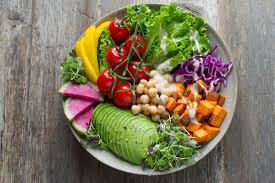
• Eating raw garlic, onions and leeks fight serious infections. Wash them, eat them raw and have fruit juice to crown it all.
    #veg #Garlic #Ginger
    Eating raw garlic, onions and leeks fight serious infections. Wash them, eat them raw and have fruit juice to crown it all. #veg #Garlic #Ginger
    0 Comentários 0 Compartilhamentos 8K Visualizações 0 Anterior
  • Limit sugary drinks
    Sugary drinks like sodas, fruit juices, and sweetened teas are the primary source of added sugar in the American diet (1Trusted Source).

    Unfortunately, findings from several studies point to sugar-sweetened beverages increasing risk of heart disease and type 2 diabetes, even in people who are not carrying excess body fat (2Trusted Source).

    Sugar-sweetened beverages are also uniquely harmful for children, as they can contribute not only to obesity in children but also to conditions that usually do not develop until adulthood, like type 2 diabetes, high blood pressure, and non-alcoholic fatty liver disease (3Trusted Source, 4Trusted Source, 5Trusted Source).

    Healthier alternatives include:

    water
    unsweetened teas
    sparkling water
    coffee
    Limit sugary drinks Sugary drinks like sodas, fruit juices, and sweetened teas are the primary source of added sugar in the American diet (1Trusted Source). Unfortunately, findings from several studies point to sugar-sweetened beverages increasing risk of heart disease and type 2 diabetes, even in people who are not carrying excess body fat (2Trusted Source). Sugar-sweetened beverages are also uniquely harmful for children, as they can contribute not only to obesity in children but also to conditions that usually do not develop until adulthood, like type 2 diabetes, high blood pressure, and non-alcoholic fatty liver disease (3Trusted Source, 4Trusted Source, 5Trusted Source). Healthier alternatives include: water unsweetened teas sparkling water coffee
    Like
    1
    0 Comentários 0 Compartilhamentos 10K Visualizações 0 Anterior
  • To have a heathy drinking lifestyle it is a good thing to alternate alcoholic drinks with non-alcoholic drinks.

    #Juice #Non-alcoholicDrink
    To have a heathy drinking lifestyle it is a good thing to alternate alcoholic drinks with non-alcoholic drinks. #Juice #Non-alcoholicDrink
    Love
    2
    0 Comentários 0 Compartilhamentos 5K Visualizações 0 Anterior
  • Soursop is a fruit with a green peel and spikes on the outside, and a soft, white pulp on the inside. It tastes sweet and is slightly acidic, and can be consumed raw or used in teas, smoothies, desserts, and juices. In addition to the pulp, soursop leaves are also used to prepare tea.

    Soursop benefits are mainly derived from its high fiber content, as it can reduce how quickly sugar is absorbed, help with constipation and is a source of fiber that decreases the rate at which sugar is absorbed from foods. This can help to manage blood sugar levels and prevent insulin resistance and diabetes.
    This fruit also contains high amounts of vitamin C and flavonoids, which are compounds with antioxidant and anti-inflammatory properties that help to combat free radicals and reduce inflammation. The leaves can be used to make soursop tea, which can relieve gastric problems (like ulcers and gastritis) and prevent the development of health conditions like high blood pressure and cataracts.
    Health benefits
    Due to its antioxidant, anti-inflammatory and hypoglycemic properties, soursop can offer many health benefits, such as:

    1. Relieving anti-inflammatory diseases
    Soursop contains anti-inflammatory properties that prevents the reduction of inflammation-producing cytokines. These are generated by the body in the presence of inflammation. This fruit can therefore be useful for the relieve of symptoms of inflammatory diseases, like arthritis, arthrosis and rheumatoid arthritis. Learn more about naturally anti-inflammatory foods you can add to your diet.
    Preventing diabetes
    Soursop contains great amounts of antioxidants that protect the pancreatic cells that are responsible for the production if insulin. This helps to prevent insulin resistance and diabetes.

    Furthermore, soursop is a great source of fibers, which decrease how quickly sugar is absorbed. This can help to regulate glucose levels in the blood, which can help to control diabetes in people who have already been diagnosed with it.
    3. Maintain eye health
    Because it contains lutein, an antioxidant compound that is important for eye health, soursop helps to decrease the development of illnesses like cataracts and macular degeneration. These conditions are associated with aging and cause eye damage, leading to vision loss.

    4. Protecting the stomach
    Soursop contains anti-inflammatory and antioxidant properties, which reduce damage caused by free radicals in the stomach. This promotes a reduction in stomach acid production, making this fruit beneficial for protecting the stomach, improving digestion, and help to manage some diseases, like ulcers and gastritis.

    5. Improving stress and anxiety
    Soursop leaves contain anonaine and asimilobine, compounds that soothing properties that act on the central nervous system. These compounds interact with serotonin (a neurotransmitter responsible for mood regulation), which can improve mood, stress and anxiety. Read more about other home remedies for gastritis that you can prepare to relieve symptoms.

    6. Regulating blood pressure
    Soursop contains potassium, an mineral that is essential for the body’s elimination of sodium through the urine. Potassium is also important for blood pressure management.

    In addition, this fruit also contains antioxidants which promote arterial health and act as a vasodilator. It helps to promote blood circulation, which can also influence blood pressure. Check out other natural home remedies for blood pressure that can compliment your medical treatment.
    7. Strengthening the immune system
    Because it is rich in antioxidants and anti-inflammatories, like vitamin C and quercetin, soursop helps to manage excess free radicals and strengthen immune system cells. This helps to prevent allergies, colds and flu.

    8. Combating constipation
    Soursop helps to combat constipation because it is rich in water and fibers. These components promote natural bowel movements and add bulk to the stool, which facilitate stool elimination. See a list of other naturally laxative fruits that can facilitate regular bowel movements.

    9. Maintaining hydration in the body
    Soursop pulp contains about 82 g of water, which can significantly hydrate the body. It is often consumed in hot environments or during exercise, which helps to prevent dehydration.

    10. Possibly prevent cancer
    Recent studies show that soursop is rich in acetogenins, which are a group of metabolic compounds that have a cytotoxic effect that targets cancerous cells. In addition, it was noted in some studies that consuming soursop on a long-term basis can help to prevent and treat many types of cancer, like breast, colon, lung and prostate cancers.

    Nonetheless, these studies have only been done in lab settings with isolated cells and animals. More studies are needed in humans to support the possible effect of this fruit on cancerous cells.
    References:
    Tatiana Zanin-Registered Dietitian
    Sylvanus Gbandeh's Health talks-Archives.
    Soursop is a fruit with a green peel and spikes on the outside, and a soft, white pulp on the inside. It tastes sweet and is slightly acidic, and can be consumed raw or used in teas, smoothies, desserts, and juices. In addition to the pulp, soursop leaves are also used to prepare tea. Soursop benefits are mainly derived from its high fiber content, as it can reduce how quickly sugar is absorbed, help with constipation and is a source of fiber that decreases the rate at which sugar is absorbed from foods. This can help to manage blood sugar levels and prevent insulin resistance and diabetes. This fruit also contains high amounts of vitamin C and flavonoids, which are compounds with antioxidant and anti-inflammatory properties that help to combat free radicals and reduce inflammation. The leaves can be used to make soursop tea, which can relieve gastric problems (like ulcers and gastritis) and prevent the development of health conditions like high blood pressure and cataracts. Health benefits Due to its antioxidant, anti-inflammatory and hypoglycemic properties, soursop can offer many health benefits, such as: 1. Relieving anti-inflammatory diseases Soursop contains anti-inflammatory properties that prevents the reduction of inflammation-producing cytokines. These are generated by the body in the presence of inflammation. This fruit can therefore be useful for the relieve of symptoms of inflammatory diseases, like arthritis, arthrosis and rheumatoid arthritis. Learn more about naturally anti-inflammatory foods you can add to your diet. Preventing diabetes Soursop contains great amounts of antioxidants that protect the pancreatic cells that are responsible for the production if insulin. This helps to prevent insulin resistance and diabetes. Furthermore, soursop is a great source of fibers, which decrease how quickly sugar is absorbed. This can help to regulate glucose levels in the blood, which can help to control diabetes in people who have already been diagnosed with it. 3. Maintain eye health Because it contains lutein, an antioxidant compound that is important for eye health, soursop helps to decrease the development of illnesses like cataracts and macular degeneration. These conditions are associated with aging and cause eye damage, leading to vision loss. 4. Protecting the stomach Soursop contains anti-inflammatory and antioxidant properties, which reduce damage caused by free radicals in the stomach. This promotes a reduction in stomach acid production, making this fruit beneficial for protecting the stomach, improving digestion, and help to manage some diseases, like ulcers and gastritis. 5. Improving stress and anxiety Soursop leaves contain anonaine and asimilobine, compounds that soothing properties that act on the central nervous system. These compounds interact with serotonin (a neurotransmitter responsible for mood regulation), which can improve mood, stress and anxiety. Read more about other home remedies for gastritis that you can prepare to relieve symptoms. 6. Regulating blood pressure Soursop contains potassium, an mineral that is essential for the body’s elimination of sodium through the urine. Potassium is also important for blood pressure management. In addition, this fruit also contains antioxidants which promote arterial health and act as a vasodilator. It helps to promote blood circulation, which can also influence blood pressure. Check out other natural home remedies for blood pressure that can compliment your medical treatment. 7. Strengthening the immune system Because it is rich in antioxidants and anti-inflammatories, like vitamin C and quercetin, soursop helps to manage excess free radicals and strengthen immune system cells. This helps to prevent allergies, colds and flu. 8. Combating constipation Soursop helps to combat constipation because it is rich in water and fibers. These components promote natural bowel movements and add bulk to the stool, which facilitate stool elimination. See a list of other naturally laxative fruits that can facilitate regular bowel movements. 9. Maintaining hydration in the body Soursop pulp contains about 82 g of water, which can significantly hydrate the body. It is often consumed in hot environments or during exercise, which helps to prevent dehydration. 10. Possibly prevent cancer Recent studies show that soursop is rich in acetogenins, which are a group of metabolic compounds that have a cytotoxic effect that targets cancerous cells. In addition, it was noted in some studies that consuming soursop on a long-term basis can help to prevent and treat many types of cancer, like breast, colon, lung and prostate cancers. Nonetheless, these studies have only been done in lab settings with isolated cells and animals. More studies are needed in humans to support the possible effect of this fruit on cancerous cells. References: Tatiana Zanin-Registered Dietitian Sylvanus Gbandeh's Health talks-Archives.
    Love
    1
    4 Comentários 0 Compartilhamentos 15K Visualizações 0 Anterior
  • The vegetarian way of eating can be a very healthy style of eating. The rules still apply to healthy eating, although you should add variety, balance, and moderation.
    A vegetarian avoids all types of meat, whether it be hamburgers, hotdogs, chicken, or even fish. Vegetarians are also sometimes classified by the kind of food they are or aren't willing to eat. For example, Lacto-ovo vegetarians will avoid animal flesh, yet they will eat eggs and most dairy products. A Vegan, on the other hand, will avoid all food with any trace of animal origin.

    Proteins
    It is a myth that we must eat meat to get enough protein. Although you may not realize it, the average American consumes more protein than needed. For the lacto-ovo vegetarian, dairy products are an excellent source of protein. Vegans, on the other hand, get their protein from nuts, seeds, and soy products.
    Along the lines of beans, there are several to choose from, including green or red lentils, peanuts, split peas, pinto, soy, kidney, and many more. You are already familiar with some of them, such as kidney beans in chilli, refried beans in Mexican dishes, red beans and rice, and pinto beans. Although some beans taste good as they are, others are available with different flavours to help enhance their taste. Nuts are high in protein, but they deliver much fatter than beans, so you should enjoy them in moderation. Having One cup of cooked beans will give you the same amount of protein as eating two ounces of meat!

    The Nutrients
    The nutrients of concern for vegans who avoid all types of animal food are vitamin B12, calcium, and vitamin D. In the average North American diet, the primary source for B12 is animals. To have an adequate intake of B12, vegans should regularly consume vitamin B12 supplements or foods which contain vitamin B12, such as soy products or milk.
    For calcium, vegans can rely on orange juice or soy milk, fortified with calcium. Beans and leafy green vegetables will also contain some calcium as well.
    Although all types of vegetarians rely on simple food groups, controlling your vitamins and calcium intake is something you should always do. This is very important for eating healthy, as well as staying fit. If you control what you eat, you'll have many years of healthy eating ahead of you.
    The vegetarian way of eating can be a very healthy style of eating. The rules still apply to healthy eating, although you should add variety, balance, and moderation. A vegetarian avoids all types of meat, whether it be hamburgers, hotdogs, chicken, or even fish. Vegetarians are also sometimes classified by the kind of food they are or aren't willing to eat. For example, Lacto-ovo vegetarians will avoid animal flesh, yet they will eat eggs and most dairy products. A Vegan, on the other hand, will avoid all food with any trace of animal origin. Proteins It is a myth that we must eat meat to get enough protein. Although you may not realize it, the average American consumes more protein than needed. For the lacto-ovo vegetarian, dairy products are an excellent source of protein. Vegans, on the other hand, get their protein from nuts, seeds, and soy products. Along the lines of beans, there are several to choose from, including green or red lentils, peanuts, split peas, pinto, soy, kidney, and many more. You are already familiar with some of them, such as kidney beans in chilli, refried beans in Mexican dishes, red beans and rice, and pinto beans. Although some beans taste good as they are, others are available with different flavours to help enhance their taste. Nuts are high in protein, but they deliver much fatter than beans, so you should enjoy them in moderation. Having One cup of cooked beans will give you the same amount of protein as eating two ounces of meat! The Nutrients The nutrients of concern for vegans who avoid all types of animal food are vitamin B12, calcium, and vitamin D. In the average North American diet, the primary source for B12 is animals. To have an adequate intake of B12, vegans should regularly consume vitamin B12 supplements or foods which contain vitamin B12, such as soy products or milk. For calcium, vegans can rely on orange juice or soy milk, fortified with calcium. Beans and leafy green vegetables will also contain some calcium as well. Although all types of vegetarians rely on simple food groups, controlling your vitamins and calcium intake is something you should always do. This is very important for eating healthy, as well as staying fit. If you control what you eat, you'll have many years of healthy eating ahead of you.
    Eating Healthy For Vegetarians

    The vegetarian way of eating can be a very healthy style of eating. The rules still apply to healthy eating, although you should add variety, balance, and moderation.
    A vegetarian avoids all types of meat, whether hamburgers, hotdogs, chicken, or even fish. Vegetarians are also sometimes classified by the kind of food they are or aren't willing to eat. For example, Lacto-ovo vegetarians will avoid animal flesh, yet they will eat eggs and most dairy products. A Vegan, on the other hand, will avoid all food with any trace of animal origin.

    Proteins
    It is a myth that we must eat meat to get enough protein. Although you may not realize it, the average American consumes more protein than needed. For the lacto-ovo vegetarian, dairy products are an excellent source of protein. Vegans, on the other hand, get their protein from nuts, seeds, and soy products.
    Along the lines of beans, there are several to choose from, including green or red lentils, peanuts, split peas, pinto, soy, kidney, and many more. You are already familiar with some of them, such as kidney beans in chilli, refried beans in Mexican dishes, red beans and rice, and pinto beans. Although some beans taste good as they are, others are available with different flavours to help enhance their taste. Nuts are high in protein but deliver much fatter than beans, so you should enjoy them in moderation. Having One cup of cooked beans will give you the same amount of protein as eating two ounces of meat!

    The Nutrients
    The nutrients of concern for vegans who avoid all types of animal food are vitamin B12, calcium, and vitamin D. In the average North American diet, the primary source for B12 is animals. To have an adequate intake of B12, vegans should regularly consume vitamin B12 supplements or foods which contain vitamin B12, such as soy products or milk.
    For calcium, vegans can rely on orange juice or soy milk, fortified with calcium. Beans and leafy green vegetables will also contain some calcium as well.
    Although all types of vegetarians rely on simple food groups, controlling your vitamins and calcium intake is something you should always do. This is very important for eating healthy, as well as staying fit. If you control what you eat, you'll have many years of healthy eating ahead of you.

    #Fruits #Veg #Vitamins #Healthyfood #Health #GoodFood
    Like
    1
    0 Comentários 0 Compartilhamentos 10K Visualizações 0 Anterior
  • Eating Healthy For Vegetarians

    The vegetarian way of eating can be a very healthy style of eating. The rules still apply to healthy eating, although you should add variety, balance, and moderation.
    A vegetarian avoids all types of meat, whether hamburgers, hotdogs, chicken, or even fish. Vegetarians are also sometimes classified by the kind of food they are or aren't willing to eat. For example, Lacto-ovo vegetarians will avoid animal flesh, yet they will eat eggs and most dairy products. A Vegan, on the other hand, will avoid all food with any trace of animal origin.

    Proteins
    It is a myth that we must eat meat to get enough protein. Although you may not realize it, the average American consumes more protein than needed. For the lacto-ovo vegetarian, dairy products are an excellent source of protein. Vegans, on the other hand, get their protein from nuts, seeds, and soy products.
    Along the lines of beans, there are several to choose from, including green or red lentils, peanuts, split peas, pinto, soy, kidney, and many more. You are already familiar with some of them, such as kidney beans in chilli, refried beans in Mexican dishes, red beans and rice, and pinto beans. Although some beans taste good as they are, others are available with different flavours to help enhance their taste. Nuts are high in protein but deliver much fatter than beans, so you should enjoy them in moderation. Having One cup of cooked beans will give you the same amount of protein as eating two ounces of meat!

    The Nutrients
    The nutrients of concern for vegans who avoid all types of animal food are vitamin B12, calcium, and vitamin D. In the average North American diet, the primary source for B12 is animals. To have an adequate intake of B12, vegans should regularly consume vitamin B12 supplements or foods which contain vitamin B12, such as soy products or milk.
    For calcium, vegans can rely on orange juice or soy milk, fortified with calcium. Beans and leafy green vegetables will also contain some calcium as well.
    Although all types of vegetarians rely on simple food groups, controlling your vitamins and calcium intake is something you should always do. This is very important for eating healthy, as well as staying fit. If you control what you eat, you'll have many years of healthy eating ahead of you.

    #Fruits #Veg #Vitamins #Healthyfood #Health #GoodFood
    Eating Healthy For Vegetarians The vegetarian way of eating can be a very healthy style of eating. The rules still apply to healthy eating, although you should add variety, balance, and moderation. A vegetarian avoids all types of meat, whether hamburgers, hotdogs, chicken, or even fish. Vegetarians are also sometimes classified by the kind of food they are or aren't willing to eat. For example, Lacto-ovo vegetarians will avoid animal flesh, yet they will eat eggs and most dairy products. A Vegan, on the other hand, will avoid all food with any trace of animal origin. Proteins It is a myth that we must eat meat to get enough protein. Although you may not realize it, the average American consumes more protein than needed. For the lacto-ovo vegetarian, dairy products are an excellent source of protein. Vegans, on the other hand, get their protein from nuts, seeds, and soy products. Along the lines of beans, there are several to choose from, including green or red lentils, peanuts, split peas, pinto, soy, kidney, and many more. You are already familiar with some of them, such as kidney beans in chilli, refried beans in Mexican dishes, red beans and rice, and pinto beans. Although some beans taste good as they are, others are available with different flavours to help enhance their taste. Nuts are high in protein but deliver much fatter than beans, so you should enjoy them in moderation. Having One cup of cooked beans will give you the same amount of protein as eating two ounces of meat! The Nutrients The nutrients of concern for vegans who avoid all types of animal food are vitamin B12, calcium, and vitamin D. In the average North American diet, the primary source for B12 is animals. To have an adequate intake of B12, vegans should regularly consume vitamin B12 supplements or foods which contain vitamin B12, such as soy products or milk. For calcium, vegans can rely on orange juice or soy milk, fortified with calcium. Beans and leafy green vegetables will also contain some calcium as well. Although all types of vegetarians rely on simple food groups, controlling your vitamins and calcium intake is something you should always do. This is very important for eating healthy, as well as staying fit. If you control what you eat, you'll have many years of healthy eating ahead of you. #Fruits #Veg #Vitamins #Healthyfood #Health #GoodFood
    Like
    Love
    2
    0 Comentários 1 Compartilhamentos 18K Visualizações 0 Anterior
Patrocinado
IOHAH (Institute of Health and Healing) https://iohah.com