• https://superfoodly.com/unveiling-the-health-benefits-of-onions-for-men/
    Improved fertility: Onions are rich in antioxidants and minerals important for sperm health.Protection against testicular oxidative damage.Enhancement of libido and sexual function.Treatment of sexual dysfunctions like erectile dysfunction and premature ejaculation.Weight loss, cardiovascular health, immunity, and reduced inflammation.
    #Onions
    #Cardiovascularhealth
    https://superfoodly.com/unveiling-the-health-benefits-of-onions-for-men/ Improved fertility: Onions are rich in antioxidants and minerals important for sperm health.Protection against testicular oxidative damage.Enhancement of libido and sexual function.Treatment of sexual dysfunctions like erectile dysfunction and premature ejaculation.Weight loss, cardiovascular health, immunity, and reduced inflammation. #Onions #Cardiovascularhealth
    Love
    2
    1 Commentarios 0 Acciones 5K Views 0 Vista previa
  • #Berries
    Contain #antioxidants that may protect cells, and #strawberries also provide vitamin C and fiber
    #Berries Contain #antioxidants that may protect cells, and #strawberries also provide vitamin C and fiber
    Love
    2
    1 Commentarios 0 Acciones 5K Views 0 Vista previa
  • These nine plants and herbs boost the immune system, promote healthy lungs, and fight colds and infections:

    Peppermint
    Peppermint contains menthol which eases breathing and relaxes the muscles of the respiratory system. It also fights congestion and is rich in antioxidants which prevent numerous illnesses.

    Osha Root
    This root is native to the Rocky mountain area, and it contains camphor and other compounds that support the lungs, boost circulation to them and thus help breathing.

    Eucalyptus
    Eucalyptus is included in numerous cough lozenges and cough syrups, because It contains cineole, a compound which fights congestion, soothes a cough, and treat the inflammation of the sinus passages. Its antioxidants strengthen the immune system.

    Plantain Leaf
    Plantain leaf has powerful antibacterial, anti-inflammatory, and antimicrobial properties, so it soothes a dry cough, treats lung irritations and colds, and promotes mucus production in the lungs.

    Sage
    Sage essential oils and sage tea are extremely beneficial in the case of respiratory illnesses and lung issues. The inhalation of its aromatic properties clears the sinuses and soothes lung problems.

    Licorice Root
    Licorice cleanses the inflamed mucous membrane and boosts the immune system, and is especially beneficial for the stomach, lungs, and throat. It aids the body to remove the mucus and soothes throat irritations.

    Thyme
    This common herb can be used to fight chest congestion, thanks to its powerful antiseptic essential oils. Thyme oil is a natural antibiotic and anti-fungal. Drinking thyme tea can also help cleanse bacteria and viruses from the body to fight your infection.

    Mullein
    Mullein effectively clears the excessive amounts of mucous in the lungs, cleanses the bronchial tubes, and soothes inflammation of the respiratory tract. Its leaves and flowers are used in the preparation of a potent herbal extract.

    Oregano
    The vitamins and nutrients in this plat strengthen the immune system. It is also high in carvacrol and rosmarinic acid, which act as natural decongestants and reduce histamine. It supports the health of the respiratory tract and helps airflow through the nasal passage.
    These nine plants and herbs boost the immune system, promote healthy lungs, and fight colds and infections: Peppermint Peppermint contains menthol which eases breathing and relaxes the muscles of the respiratory system. It also fights congestion and is rich in antioxidants which prevent numerous illnesses. Osha Root This root is native to the Rocky mountain area, and it contains camphor and other compounds that support the lungs, boost circulation to them and thus help breathing. Eucalyptus Eucalyptus is included in numerous cough lozenges and cough syrups, because It contains cineole, a compound which fights congestion, soothes a cough, and treat the inflammation of the sinus passages. Its antioxidants strengthen the immune system. Plantain Leaf Plantain leaf has powerful antibacterial, anti-inflammatory, and antimicrobial properties, so it soothes a dry cough, treats lung irritations and colds, and promotes mucus production in the lungs. Sage Sage essential oils and sage tea are extremely beneficial in the case of respiratory illnesses and lung issues. The inhalation of its aromatic properties clears the sinuses and soothes lung problems. Licorice Root Licorice cleanses the inflamed mucous membrane and boosts the immune system, and is especially beneficial for the stomach, lungs, and throat. It aids the body to remove the mucus and soothes throat irritations. Thyme This common herb can be used to fight chest congestion, thanks to its powerful antiseptic essential oils. Thyme oil is a natural antibiotic and anti-fungal. Drinking thyme tea can also help cleanse bacteria and viruses from the body to fight your infection. Mullein Mullein effectively clears the excessive amounts of mucous in the lungs, cleanses the bronchial tubes, and soothes inflammation of the respiratory tract. Its leaves and flowers are used in the preparation of a potent herbal extract. Oregano The vitamins and nutrients in this plat strengthen the immune system. It is also high in carvacrol and rosmarinic acid, which act as natural decongestants and reduce histamine. It supports the health of the respiratory tract and helps airflow through the nasal passage.
    Love
    2
    1 Commentarios 0 Acciones 12K Views 0 Vista previa
  • Benefits of eating pumpkins.

    1Sharpens sight: One cup of pumpkin provides 200% of your daily recommended intake of vitamin A, which supports vision by protecting the cornea (your eye’s outer surface) and improves night vision – just in time to trick-or-treat! It also contains lutein and zeaxanthin, which can protect your eyes from macular degeneration and cataracts.
    Boosts immune system: Beta carotene, vitamin C, iron, and folate strengthen your immune system, and all are found in pumpkins.

    2 Lowers blood pressure: A pumpkin’s orange color is a sign that it’s packed with potassium, which helps lower blood pressure, strengthen the bones, and reduce your risk of stroke and kidney stones.

    3 Makes your skin look great: Pumpkins are loaded with antioxidants that are great for your skin and help combat the effects of aging. It also contains the provitamin beta carotene, which your body uses to produce vitamin A and vitamin C.

    4 Improves digestive health: Pumpkins are high in fiber, which keeps your bowel movements regular, promotes healthy weight management, and can help lower your cholesterol.

    5 Reduces cancer risk: Cancer cells produce free radicals to help them multiply quickly. Pumpkins are high in carotenoids, which combat the effects of free radicals in the body and may help protect against certain types of cancer.
    Benefits of eating pumpkins. 1Sharpens sight: One cup of pumpkin provides 200% of your daily recommended intake of vitamin A, which supports vision by protecting the cornea (your eye’s outer surface) and improves night vision – just in time to trick-or-treat! It also contains lutein and zeaxanthin, which can protect your eyes from macular degeneration and cataracts. Boosts immune system: Beta carotene, vitamin C, iron, and folate strengthen your immune system, and all are found in pumpkins. 2 Lowers blood pressure: A pumpkin’s orange color is a sign that it’s packed with potassium, which helps lower blood pressure, strengthen the bones, and reduce your risk of stroke and kidney stones. 3 Makes your skin look great: Pumpkins are loaded with antioxidants that are great for your skin and help combat the effects of aging. It also contains the provitamin beta carotene, which your body uses to produce vitamin A and vitamin C. 4 Improves digestive health: Pumpkins are high in fiber, which keeps your bowel movements regular, promotes healthy weight management, and can help lower your cholesterol. 5 Reduces cancer risk: Cancer cells produce free radicals to help them multiply quickly. Pumpkins are high in carotenoids, which combat the effects of free radicals in the body and may help protect against certain types of cancer.
    Love
    1
    1 Commentarios 0 Acciones 5K Views 0 Vista previa
  • If you wanna lose some weight, try oat mill.
    Oats are a type of cereal grain that are rich in nutrients and have many health benefits. They are a good source of carbohydrates, fibre, and high-quality protein, as well as important vitamins, minerals, and antioxidants. Some of the health benefits of eating oats and oatmeal include weight loss, lower blood sugar levels, and a reduced risk of heart disease. Oats are also known to promote healthy skin and may reduce the risk of childhood asthma. Oatmeal is a popular breakfast food that can be prepared in many ways, including with water or milk. It can also be added to baked goods like muffins, granola bars, and cookies.
    If you wanna lose some weight, try oat mill. Oats are a type of cereal grain that are rich in nutrients and have many health benefits. They are a good source of carbohydrates, fibre, and high-quality protein, as well as important vitamins, minerals, and antioxidants. Some of the health benefits of eating oats and oatmeal include weight loss, lower blood sugar levels, and a reduced risk of heart disease. Oats are also known to promote healthy skin and may reduce the risk of childhood asthma. Oatmeal is a popular breakfast food that can be prepared in many ways, including with water or milk. It can also be added to baked goods like muffins, granola bars, and cookies.
    0 Commentarios 0 Acciones 6K Views 0 Vista previa
  • Nutritional composition of cashew
    Cashews are known to be very nutritious and it is a powerhouse of proteins and various essential minerals such as calcium, copper, magnesium, phosphorus, iron, zinc and potassium. Sodium is also found to be present in trace amounts.

    Cashews contains the following vitamins:

    Vitamin B1 (thiamin)
    Vitamin B2 (riboflavin)
    Vitamin B3 (niacin)
    Vitamin B6
    Vitamin C,
    Folate

    Health benefits of cashew
    1. Heart health
    Cashews are good source of monounsaturated fats (healthy dietary fats) that are very friendly to the heart. The healthy dietary fats are essential for our body because they makes it possible for the body to absorb the fat-soluble vitamins A, D, E and K and produce fatty acids that are vital for the development of the brain and blood clotting.

    2. Weight management
    Cashew is known to contain a relatively high fat content (12 grams per ounce, 2 gram saturated fat), but it is also termed as “good fat”. It is a good fat because of the agreeable fat ratio in the nut of 1:2:1 for saturated, monounsaturated and poly-unsaturated respectively, which scientist have agreed that it is the ideal ratio for optimal health.

    3. Healthy muscles and nerves
    Cashew is vital for the development of bones, tissues, muscles, and organs of the body because it is a good source of magnesium. Magnesium also facilitates the maintenance of healthy blood pressure, sustain the immune system, maintain nerve functions and keep the bones strong. A deficiency of magnesium causes disruption in the metabolism of calcium and the hormones responsible for its regulation.

    4. Diabetes
    Since cashew contains a very low amount of sugar and no harmful cholesterol. it is highly safe for those suffering from diabetes. It is also effective in lowering the risk of type2 diabetes.

    5. Chemotherapy
    Cashew contains wealth of antioxidants like anacardic acids, cardanols and cardols. Research have proven that these antioxidants makes cashew to be effective for people undergoing treatments for tumour and cancer.

    6. Formation of red blood cells
    Cashew contains a huge amount of copper, and copper helps in iron metabolism, formation of red blood cells and assist in keeping bones and immune systems healthy. It is also vital for the nervous and skeletal system of the body. Copper deficiency in humans may result to anaemia, osteoporosis, and irregular heartbeats.

    7. Bone and oral health
    Phosphorus is also found in cashew, which is essential for the healthy development of teeth and bones. Phosphorus also assists in protein synthesis, maintenance of cellular health, absorption of carbohydrates and fats.


    8. Gall stones
    Gallstones are stone-like deposits that usually consist of cholesterol that accumulates in the gall bladder. The regular inclusion of healthy nuts like cashews can help to lower the risk of formation of gallstones.

    9. Immune system
    Cashew plays a vital role in the strengthening of the immune system because of the zinc contained in it. Zinc additionally helps in protein synthesis and healing of wounds.

    10. Cancer prevention
    Cashew are rich in proanthocyanidins, a class of flavanols that actually starve tumours and inhibits the division of cancer cells. Studies have also shown that cashews are capable of reducing the risk of colon cancers.

    11. Hair and skin health
    Cashews are rich in copper. Copper is an essential component of many enzymes and it plays a part in a broad array of processes. One copper-containing enzymes called tyrosinase, converts tyrosine to melanin, the pigment that gives colouration to the hair and skin.

    References: ehfblog.com
    Sylvanus Gbandeh's Health talks-Archives.
    Nutritional composition of cashew Cashews are known to be very nutritious and it is a powerhouse of proteins and various essential minerals such as calcium, copper, magnesium, phosphorus, iron, zinc and potassium. Sodium is also found to be present in trace amounts. Cashews contains the following vitamins: Vitamin B1 (thiamin) Vitamin B2 (riboflavin) Vitamin B3 (niacin) Vitamin B6 Vitamin C, Folate Health benefits of cashew 1. Heart health Cashews are good source of monounsaturated fats (healthy dietary fats) that are very friendly to the heart. The healthy dietary fats are essential for our body because they makes it possible for the body to absorb the fat-soluble vitamins A, D, E and K and produce fatty acids that are vital for the development of the brain and blood clotting. 2. Weight management Cashew is known to contain a relatively high fat content (12 grams per ounce, 2 gram saturated fat), but it is also termed as “good fat”. It is a good fat because of the agreeable fat ratio in the nut of 1:2:1 for saturated, monounsaturated and poly-unsaturated respectively, which scientist have agreed that it is the ideal ratio for optimal health. 3. Healthy muscles and nerves Cashew is vital for the development of bones, tissues, muscles, and organs of the body because it is a good source of magnesium. Magnesium also facilitates the maintenance of healthy blood pressure, sustain the immune system, maintain nerve functions and keep the bones strong. A deficiency of magnesium causes disruption in the metabolism of calcium and the hormones responsible for its regulation. 4. Diabetes Since cashew contains a very low amount of sugar and no harmful cholesterol. it is highly safe for those suffering from diabetes. It is also effective in lowering the risk of type2 diabetes. 5. Chemotherapy Cashew contains wealth of antioxidants like anacardic acids, cardanols and cardols. Research have proven that these antioxidants makes cashew to be effective for people undergoing treatments for tumour and cancer. 6. Formation of red blood cells Cashew contains a huge amount of copper, and copper helps in iron metabolism, formation of red blood cells and assist in keeping bones and immune systems healthy. It is also vital for the nervous and skeletal system of the body. Copper deficiency in humans may result to anaemia, osteoporosis, and irregular heartbeats. 7. Bone and oral health Phosphorus is also found in cashew, which is essential for the healthy development of teeth and bones. Phosphorus also assists in protein synthesis, maintenance of cellular health, absorption of carbohydrates and fats. 8. Gall stones Gallstones are stone-like deposits that usually consist of cholesterol that accumulates in the gall bladder. The regular inclusion of healthy nuts like cashews can help to lower the risk of formation of gallstones. 9. Immune system Cashew plays a vital role in the strengthening of the immune system because of the zinc contained in it. Zinc additionally helps in protein synthesis and healing of wounds. 10. Cancer prevention Cashew are rich in proanthocyanidins, a class of flavanols that actually starve tumours and inhibits the division of cancer cells. Studies have also shown that cashews are capable of reducing the risk of colon cancers. 11. Hair and skin health Cashews are rich in copper. Copper is an essential component of many enzymes and it plays a part in a broad array of processes. One copper-containing enzymes called tyrosinase, converts tyrosine to melanin, the pigment that gives colouration to the hair and skin. References: ehfblog.com Sylvanus Gbandeh's Health talks-Archives.
    Like
    Love
    2
    0 Commentarios 0 Acciones 15K Views 0 Vista previa
  • Soursop is a fruit with a green peel and spikes on the outside, and a soft, white pulp on the inside. It tastes sweet and is slightly acidic, and can be consumed raw or used in teas, smoothies, desserts, and juices. In addition to the pulp, soursop leaves are also used to prepare tea.

    Soursop benefits are mainly derived from its high fiber content, as it can reduce how quickly sugar is absorbed, help with constipation and is a source of fiber that decreases the rate at which sugar is absorbed from foods. This can help to manage blood sugar levels and prevent insulin resistance and diabetes.
    This fruit also contains high amounts of vitamin C and flavonoids, which are compounds with antioxidant and anti-inflammatory properties that help to combat free radicals and reduce inflammation. The leaves can be used to make soursop tea, which can relieve gastric problems (like ulcers and gastritis) and prevent the development of health conditions like high blood pressure and cataracts.
    Health benefits
    Due to its antioxidant, anti-inflammatory and hypoglycemic properties, soursop can offer many health benefits, such as:

    1. Relieving anti-inflammatory diseases
    Soursop contains anti-inflammatory properties that prevents the reduction of inflammation-producing cytokines. These are generated by the body in the presence of inflammation. This fruit can therefore be useful for the relieve of symptoms of inflammatory diseases, like arthritis, arthrosis and rheumatoid arthritis. Learn more about naturally anti-inflammatory foods you can add to your diet.
    Preventing diabetes
    Soursop contains great amounts of antioxidants that protect the pancreatic cells that are responsible for the production if insulin. This helps to prevent insulin resistance and diabetes.

    Furthermore, soursop is a great source of fibers, which decrease how quickly sugar is absorbed. This can help to regulate glucose levels in the blood, which can help to control diabetes in people who have already been diagnosed with it.
    3. Maintain eye health
    Because it contains lutein, an antioxidant compound that is important for eye health, soursop helps to decrease the development of illnesses like cataracts and macular degeneration. These conditions are associated with aging and cause eye damage, leading to vision loss.

    4. Protecting the stomach
    Soursop contains anti-inflammatory and antioxidant properties, which reduce damage caused by free radicals in the stomach. This promotes a reduction in stomach acid production, making this fruit beneficial for protecting the stomach, improving digestion, and help to manage some diseases, like ulcers and gastritis.

    5. Improving stress and anxiety
    Soursop leaves contain anonaine and asimilobine, compounds that soothing properties that act on the central nervous system. These compounds interact with serotonin (a neurotransmitter responsible for mood regulation), which can improve mood, stress and anxiety. Read more about other home remedies for gastritis that you can prepare to relieve symptoms.

    6. Regulating blood pressure
    Soursop contains potassium, an mineral that is essential for the body’s elimination of sodium through the urine. Potassium is also important for blood pressure management.

    In addition, this fruit also contains antioxidants which promote arterial health and act as a vasodilator. It helps to promote blood circulation, which can also influence blood pressure. Check out other natural home remedies for blood pressure that can compliment your medical treatment.
    7. Strengthening the immune system
    Because it is rich in antioxidants and anti-inflammatories, like vitamin C and quercetin, soursop helps to manage excess free radicals and strengthen immune system cells. This helps to prevent allergies, colds and flu.

    8. Combating constipation
    Soursop helps to combat constipation because it is rich in water and fibers. These components promote natural bowel movements and add bulk to the stool, which facilitate stool elimination. See a list of other naturally laxative fruits that can facilitate regular bowel movements.

    9. Maintaining hydration in the body
    Soursop pulp contains about 82 g of water, which can significantly hydrate the body. It is often consumed in hot environments or during exercise, which helps to prevent dehydration.

    10. Possibly prevent cancer
    Recent studies show that soursop is rich in acetogenins, which are a group of metabolic compounds that have a cytotoxic effect that targets cancerous cells. In addition, it was noted in some studies that consuming soursop on a long-term basis can help to prevent and treat many types of cancer, like breast, colon, lung and prostate cancers.

    Nonetheless, these studies have only been done in lab settings with isolated cells and animals. More studies are needed in humans to support the possible effect of this fruit on cancerous cells.
    References:
    Tatiana Zanin-Registered Dietitian
    Sylvanus Gbandeh's Health talks-Archives.
    Soursop is a fruit with a green peel and spikes on the outside, and a soft, white pulp on the inside. It tastes sweet and is slightly acidic, and can be consumed raw or used in teas, smoothies, desserts, and juices. In addition to the pulp, soursop leaves are also used to prepare tea. Soursop benefits are mainly derived from its high fiber content, as it can reduce how quickly sugar is absorbed, help with constipation and is a source of fiber that decreases the rate at which sugar is absorbed from foods. This can help to manage blood sugar levels and prevent insulin resistance and diabetes. This fruit also contains high amounts of vitamin C and flavonoids, which are compounds with antioxidant and anti-inflammatory properties that help to combat free radicals and reduce inflammation. The leaves can be used to make soursop tea, which can relieve gastric problems (like ulcers and gastritis) and prevent the development of health conditions like high blood pressure and cataracts. Health benefits Due to its antioxidant, anti-inflammatory and hypoglycemic properties, soursop can offer many health benefits, such as: 1. Relieving anti-inflammatory diseases Soursop contains anti-inflammatory properties that prevents the reduction of inflammation-producing cytokines. These are generated by the body in the presence of inflammation. This fruit can therefore be useful for the relieve of symptoms of inflammatory diseases, like arthritis, arthrosis and rheumatoid arthritis. Learn more about naturally anti-inflammatory foods you can add to your diet. Preventing diabetes Soursop contains great amounts of antioxidants that protect the pancreatic cells that are responsible for the production if insulin. This helps to prevent insulin resistance and diabetes. Furthermore, soursop is a great source of fibers, which decrease how quickly sugar is absorbed. This can help to regulate glucose levels in the blood, which can help to control diabetes in people who have already been diagnosed with it. 3. Maintain eye health Because it contains lutein, an antioxidant compound that is important for eye health, soursop helps to decrease the development of illnesses like cataracts and macular degeneration. These conditions are associated with aging and cause eye damage, leading to vision loss. 4. Protecting the stomach Soursop contains anti-inflammatory and antioxidant properties, which reduce damage caused by free radicals in the stomach. This promotes a reduction in stomach acid production, making this fruit beneficial for protecting the stomach, improving digestion, and help to manage some diseases, like ulcers and gastritis. 5. Improving stress and anxiety Soursop leaves contain anonaine and asimilobine, compounds that soothing properties that act on the central nervous system. These compounds interact with serotonin (a neurotransmitter responsible for mood regulation), which can improve mood, stress and anxiety. Read more about other home remedies for gastritis that you can prepare to relieve symptoms. 6. Regulating blood pressure Soursop contains potassium, an mineral that is essential for the body’s elimination of sodium through the urine. Potassium is also important for blood pressure management. In addition, this fruit also contains antioxidants which promote arterial health and act as a vasodilator. It helps to promote blood circulation, which can also influence blood pressure. Check out other natural home remedies for blood pressure that can compliment your medical treatment. 7. Strengthening the immune system Because it is rich in antioxidants and anti-inflammatories, like vitamin C and quercetin, soursop helps to manage excess free radicals and strengthen immune system cells. This helps to prevent allergies, colds and flu. 8. Combating constipation Soursop helps to combat constipation because it is rich in water and fibers. These components promote natural bowel movements and add bulk to the stool, which facilitate stool elimination. See a list of other naturally laxative fruits that can facilitate regular bowel movements. 9. Maintaining hydration in the body Soursop pulp contains about 82 g of water, which can significantly hydrate the body. It is often consumed in hot environments or during exercise, which helps to prevent dehydration. 10. Possibly prevent cancer Recent studies show that soursop is rich in acetogenins, which are a group of metabolic compounds that have a cytotoxic effect that targets cancerous cells. In addition, it was noted in some studies that consuming soursop on a long-term basis can help to prevent and treat many types of cancer, like breast, colon, lung and prostate cancers. Nonetheless, these studies have only been done in lab settings with isolated cells and animals. More studies are needed in humans to support the possible effect of this fruit on cancerous cells. References: Tatiana Zanin-Registered Dietitian Sylvanus Gbandeh's Health talks-Archives.
    Love
    1
    4 Commentarios 0 Acciones 15K Views 0 Vista previa
  • A nutritious fruit that is low in calories and high in vitamins, minerals, and water content. Eating cucumbers may lead to many potential health benefits, including weight loss, balanced hydration, digestive regularity, and lower blood sugar levels. Cucumbers are also rich in antioxidants, which can help reduce the risk of chronic illnesses such as cancer and heart disease.

    To maximize the health benefits of cucumbers, it is recommended to eat them with the peel, as it contains the maximum amount of nutrients. One 11-ounce (300-gram) unpeeled, raw cucumber contains the following nutrient.
    A nutritious fruit that is low in calories and high in vitamins, minerals, and water content. Eating cucumbers may lead to many potential health benefits, including weight loss, balanced hydration, digestive regularity, and lower blood sugar levels. Cucumbers are also rich in antioxidants, which can help reduce the risk of chronic illnesses such as cancer and heart disease. To maximize the health benefits of cucumbers, it is recommended to eat them with the peel, as it contains the maximum amount of nutrients. One 11-ounce (300-gram) unpeeled, raw cucumber contains the following nutrient.
    0 Commentarios 0 Acciones 5K Views 0 Vista previa
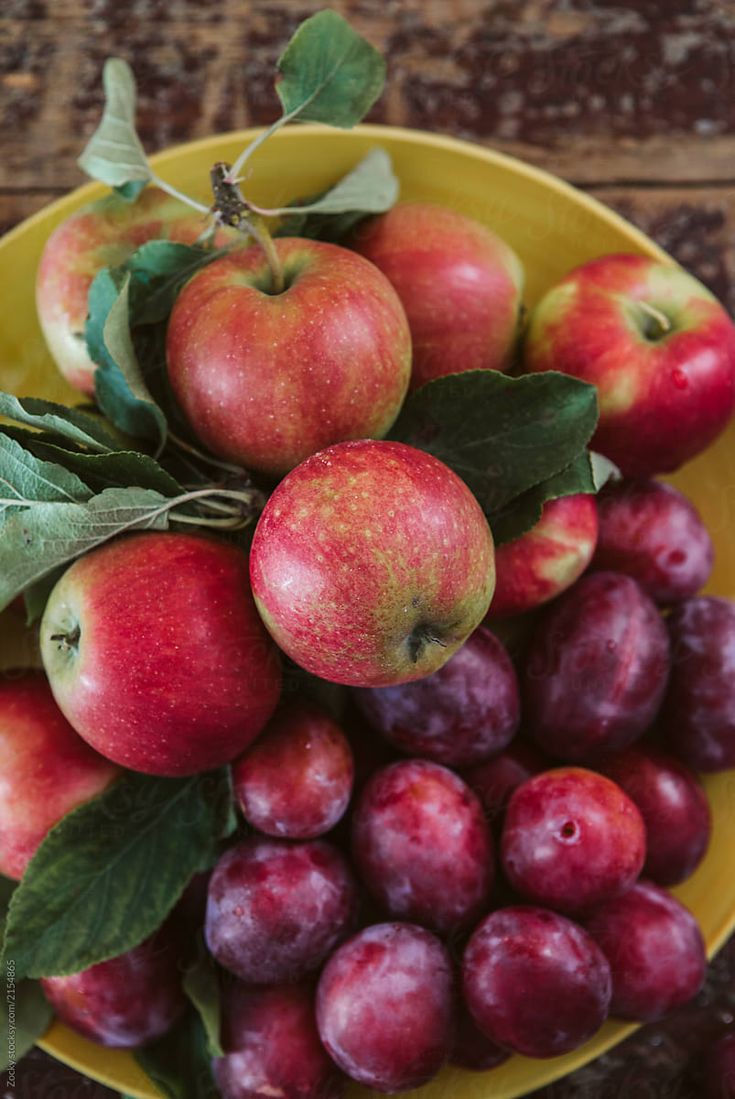
  • Eat apples they're so healthy and good for the body.

    Apples are a nutritious fruit that offer multiple health benefits. They are a good source of fiber, vitamins, and minerals such as Vitamin C and potassium. Apples also contain antioxidants, which can help protect the body against damage from free radicals.
    #Vitamin
    Eat apples 🍎 they're so healthy and good for the body. Apples are a nutritious fruit that offer multiple health benefits. They are a good source of fiber, vitamins, and minerals such as Vitamin C and potassium. Apples also contain antioxidants, which can help protect the body against damage from free radicals. #Vitamin
    0 Commentarios 0 Acciones 3K Views 0 Vista previa
  • Pumpkin is more than carving for Halloween. Let's delve into its nutritious goodness:

    1. Highly Nutritious and Rich in Vitamin A:
    - One cup of cooked pumpkin (about 245 grams) boasts an impressive nutrient profile:
    - Calories: 49
    - Fat: 0.2 grams
    - Protein: 2 grams
    - Carbs: 12 grams
    - Fiber: 3 grams
    - Vitamin A: A whopping 245% of the Reference Daily Intake (RDI)
    - Vitamin C: 19% of the RDI
    - Potassium: 16% of the RDI
    - Copper: 11% of the RDI
    - Manganese: 11% of the RDI
    - Vitamin B2: 11% of the RDI
    - Vitamin E: 10% of the RDI
    - Iron: 8% of the RDI
    - Pumpkin is also rich in beta-carotene, which your body converts into vitamin A. Plus, it's 94% water, making it low in calories¹.

    2. Antioxidant Powerhouse:
    - Pumpkins contain antioxidants like alpha-carotene, beta-carotene, and beta-cryptoxanthin.
    - These antioxidants neutralize free radicals, protecting your cells from damage.
    - While research is ongoing, these compounds may help prevent chronic diseases, including heart disease and cancer¹.

    3. Immune Boosting:
    - Beta-carotene in pumpkin supports your immune system.
    - It's like a superhero for your vision and overall health, providing over 200% of your daily recommended vitamin A intake in just one cup

    4. Skin-Friendly Nutrients:
    - Vitamins C and E, along with beta-carotene, promote healthy skin.
    - So, munch on pumpkin for a radiant complexion.

    5. Heart Health and Blood Pressure:
    - The antioxidants in pumpkin may help protect your cardiovascular system.
    - Plus, its potassium content supports healthy blood pressure levels.

    6. Fertility and Bone Health
    - Pumpkin's nutrients contribute to overall well-being, including fertility and bone mineral density.
    Remember, whether you're sipping pumpkin spice lattes or enjoying a hearty pumpkin soup, this vibrant fruit (yes, it's scientifically a fruit!) packs a punch of goodness for your body.
    Pumpkin is more than carving for Halloween. Let's delve into its nutritious goodness: 1. Highly Nutritious and Rich in Vitamin A: - One cup of cooked pumpkin (about 245 grams) boasts an impressive nutrient profile: - Calories: 49 - Fat: 0.2 grams - Protein: 2 grams - Carbs: 12 grams - Fiber: 3 grams - Vitamin A: A whopping 245% of the Reference Daily Intake (RDI) - Vitamin C: 19% of the RDI - Potassium: 16% of the RDI - Copper: 11% of the RDI - Manganese: 11% of the RDI - Vitamin B2: 11% of the RDI - Vitamin E: 10% of the RDI - Iron: 8% of the RDI - Pumpkin is also rich in beta-carotene, which your body converts into vitamin A. Plus, it's 94% water, making it low in calories¹. 2. Antioxidant Powerhouse: - Pumpkins contain antioxidants like alpha-carotene, beta-carotene, and beta-cryptoxanthin. - These antioxidants neutralize free radicals, protecting your cells from damage. - While research is ongoing, these compounds may help prevent chronic diseases, including heart disease and cancer¹. 3. Immune Boosting: - Beta-carotene in pumpkin supports your immune system. - It's like a superhero for your vision and overall health, providing over 200% of your daily recommended vitamin A intake in just one cup 4. Skin-Friendly Nutrients: - Vitamins C and E, along with beta-carotene, promote healthy skin. - So, munch on pumpkin for a radiant complexion. 5. Heart Health and Blood Pressure: - The antioxidants in pumpkin may help protect your cardiovascular system. - Plus, its potassium content supports healthy blood pressure levels. 6. Fertility and Bone Health - Pumpkin's nutrients contribute to overall well-being, including fertility and bone mineral density. Remember, whether you're sipping pumpkin spice lattes or enjoying a hearty pumpkin soup, this vibrant fruit (yes, it's scientifically a fruit!) packs a punch of goodness for your body. 🎃🌟
    Like
    1
    0 Commentarios 0 Acciones 2K Views 0 Vista previa
Resultados de la búsqueda
Patrocinados
IOHAH (Institute of Health and Healing) https://iohah.com