• https://x.com/LightOnLiberty/status/2006062196841721863?s=20
    Doctors and hospitals murdered Covid-19 patients at the orders of Dr Anthony Fauci.
    "In 2018, Remdesivir was too unethical to put into Ebola clinical trials in Africa because it had a 53% kill rate, published in medical journals.
    Ebola doesn't have a 53% kill rate, but it was chosen in April and May of 2020 to be the drug of choice to treat COVID. This drug was too unethical to use in an African clinical trial because it was killing 53% of the people that it was given to.

    We had Anthony Fauci, Deborah Burke sitting next to the President going, "we need to use Remdesivir", despite the fact that the World Health Organization said it was unethical to use it.

    The problem is, as long as the financial interest that dictates what product is going to be promoted is the one making the declaration of the pandemic, we have no possibility for accountability.

    We have no possibility for justice. And what we do is we allow people who were formed out of the eugenics office, Carnegie Mellon in 1913, that were the same group of people that established the World Health Organization in 1953. That same group of people are the ones who are making this decision. And I don't know how you feel about eugenics, but I have a problem with it."
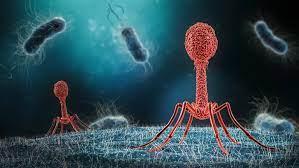
    https://x.com/LightOnLiberty/status/2006062196841721863?s=20 Doctors and hospitals murdered Covid-19 patients at the orders of Dr Anthony Fauci. 😡 "In 2018, Remdesivir was too unethical to put into Ebola clinical trials in Africa because it had a 53% kill rate, published in medical journals. Ebola doesn't have a 53% kill rate, but it was chosen in April and May of 2020 to be the drug of choice to treat COVID. This drug was too unethical to use in an African clinical trial because it was killing 53% of the people that it was given to. We had Anthony Fauci, Deborah Burke sitting next to the President going, "we need to use Remdesivir", despite the fact that the World Health Organization said it was unethical to use it. The problem is, as long as the financial interest that dictates what product is going to be promoted is the one making the declaration of the pandemic, we have no possibility for accountability. We have no possibility for justice. And what we do is we allow people who were formed out of the eugenics office, Carnegie Mellon in 1913, that were the same group of people that established the World Health Organization in 1953. That same group of people are the ones who are making this decision. And I don't know how you feel about eugenics, but I have a problem with it."
    Angry
    1
    0 Comments 0 Shares 2K Views 0 Reviews
  • Getting Started with Twiki: https://twiki.betheluniversity.edu/bin/view/Sandbox/TwikiAdmin
    Getting Started with Twiki: https://twiki.betheluniversity.edu/bin/view/Sandbox/TwikiAdmin
    0 Comments 1 Shares 3K Views 0 Reviews
  • What is #osteoporosis?

    Osteoporosis is a bone disorder characterised by low bone mass and decreased structural integrity of the bone, increasing your risk of fracture. Commonly, osteoporosis is diagnosed based on results from imaging called dual-energy X-ray absorptiometry (DXA). This test is a type of X-ray that can help measure your bone density and, with repeated testing, bone loss over time.

    What is #osteoporosis? Osteoporosis is a bone disorder characterised by low bone mass and decreased structural integrity of the bone, increasing your risk of fracture. Commonly, osteoporosis is diagnosed based on results from imaging called dual-energy X-ray absorptiometry (DXA). This test is a type of X-ray that can help measure your bone density and, with repeated testing, bone loss over time.
    Love
    1
    0 Comments 0 Shares 4K Views 0 Reviews
  • Pineapples are incredibly healthy and offer a myriad of health benefits. They belong to the bromeliad family but are the only members that produce edible fruit, according to the Purdue University Center for New Crops and Plant Products.

    The fruit is made of multiple individual berries that grow together around a central core. Each pineapple scale is an individual flower or berry.

    Despite their unique anatomy, pineapples offer powerful nutritional benefits. They are a rich source of vitamin C, manganese, dietary fiber, and bromelain.

    Moreover, these delicious fruits also contain other important minerals and vitamins, such as folate, thiamin, riboflavin, potassium, beta-carotene, magnesium, vitamin B-6, and pantothenic acid.

    Due to the high antioxidant content, pineapples are believed to protect against cancer and other illnesses. They also prevent premature aging of the skin and reduce the signs of aging.

    Here are 8 more reasons why you should consume pineapples often:

    Anti-inflammatory
    Pineapples contain an enzyme called bromelain, that can be extracted from the stem and core of a pineapple. According to studies, it effectively reduces inflammation.

    Reduce Arthritis Pain
    Due to bromelain in their content, pineapples are known to alleviate muscle and joint inflammation, including inflammation due to arthritis.

    Improved digestion
    The high fiber content of pineapples, both soluble and insoluble, eases digestion and treats digestive issues like irritable bowel syndrome, diarrhea, and constipation.

    Regulate blood pressure
    These fruits are abundant in potassium, which acts as a vasodilator and reduces stress and tension in the blood vessels, prevents clotting, and stimulates blood circulation.

    Boost Immune System
    A single serving of pineapple provides around 130% of the recommended daily dose of Vitamin C, which stimulates the activity of white blood cells to boost the immune system and protect against illness or disease.

    Fight colds and coughs
    Vitamin C fights common colds and coughs, while bromelain reduces mucus in the respiratory tract and sinus cavities to clear up congestion and fight the cold.

    Bone health
    Pineapples are high in magnesium, a mineral that is vital for the health, growth, and repair of bones. A single serving of pineapple provides about 70% of the recommended daily intake of this mineral.

    Better oral health
    Pineapples have potent astringent properties that protect the teeth, prevent tooth loss, and strengthen the gums.
    #Live_Healthy.
    Pineapples are incredibly healthy and offer a myriad of health benefits. They belong to the bromeliad family but are the only members that produce edible fruit, according to the Purdue University Center for New Crops and Plant Products. The fruit is made of multiple individual berries that grow together around a central core. Each pineapple scale is an individual flower or berry. Despite their unique anatomy, pineapples offer powerful nutritional benefits. They are a rich source of vitamin C, manganese, dietary fiber, and bromelain. Moreover, these delicious fruits also contain other important minerals and vitamins, such as folate, thiamin, riboflavin, potassium, beta-carotene, magnesium, vitamin B-6, and pantothenic acid. Due to the high antioxidant content, pineapples are believed to protect against cancer and other illnesses. They also prevent premature aging of the skin and reduce the signs of aging. Here are 8 more reasons why you should consume pineapples often: Anti-inflammatory Pineapples contain an enzyme called bromelain, that can be extracted from the stem and core of a pineapple. According to studies, it effectively reduces inflammation. Reduce Arthritis Pain Due to bromelain in their content, pineapples are known to alleviate muscle and joint inflammation, including inflammation due to arthritis. Improved digestion The high fiber content of pineapples, both soluble and insoluble, eases digestion and treats digestive issues like irritable bowel syndrome, diarrhea, and constipation. Regulate blood pressure These fruits are abundant in potassium, which acts as a vasodilator and reduces stress and tension in the blood vessels, prevents clotting, and stimulates blood circulation. Boost Immune System A single serving of pineapple provides around 130% of the recommended daily dose of Vitamin C, which stimulates the activity of white blood cells to boost the immune system and protect against illness or disease. Fight colds and coughs Vitamin C fights common colds and coughs, while bromelain reduces mucus in the respiratory tract and sinus cavities to clear up congestion and fight the cold. Bone health Pineapples are high in magnesium, a mineral that is vital for the health, growth, and repair of bones. A single serving of pineapple provides about 70% of the recommended daily intake of this mineral. Better oral health Pineapples have potent astringent properties that protect the teeth, prevent tooth loss, and strengthen the gums. #Live_Healthy.
    Like
    1
    0 Comments 0 Shares 13K Views 0 Reviews
  • Feed your gut bacteria.
    The bacteria in your gut, collectively called the gut microbiota, are incredibly important for overall health.

    A disruption in gut bacteria is linked to some chronic diseases, including obesity and a myriad of digestive problems

    Good ways to improve gut health include eating fermented foods like yogurt and sauerkraut, taking probiotic supplements — when indicated — and eating plenty of fiber. Notably, fiber serves as a prebiotic, or a food source for your gut bacteria (32Trusted Source, 33Trusted Source).

    #GutBactria #HealthyEating #StrongImmunity
    Feed your gut bacteria. The bacteria in your gut, collectively called the gut microbiota, are incredibly important for overall health. A disruption in gut bacteria is linked to some chronic diseases, including obesity and a myriad of digestive problems Good ways to improve gut health include eating fermented foods like yogurt and sauerkraut, taking probiotic supplements — when indicated — and eating plenty of fiber. Notably, fiber serves as a prebiotic, or a food source for your gut bacteria (32Trusted Source, 33Trusted Source). #GutBactria #HealthyEating #StrongImmunity
    0 Comments 0 Shares 10K Views 0 Reviews
  • Get enough sleep
    The importance of getting enough quality sleep cannot be overstated.

    Poor sleep can drive insulin resistance, can disrupt your appetite hormones, and reduce your physical and mental performance (25Trusted Source, 26Trusted Source, 27Trusted Source, 27aTrusted Source).

    What’s more, poor sleep is one of the strongest individual risk factors for weight gain and obesity. People who do not get enough sleep tend to make food choices that are higher in fat, sugar, and calories, potentially leading to unwanted weight gain (28Trusted Source, 29Trusted Source).
    #SleepHabit #HealthyLifestyle
    Get enough sleep The importance of getting enough quality sleep cannot be overstated. Poor sleep can drive insulin resistance, can disrupt your appetite hormones, and reduce your physical and mental performance (25Trusted Source, 26Trusted Source, 27Trusted Source, 27aTrusted Source). What’s more, poor sleep is one of the strongest individual risk factors for weight gain and obesity. People who do not get enough sleep tend to make food choices that are higher in fat, sugar, and calories, potentially leading to unwanted weight gain (28Trusted Source, 29Trusted Source). #SleepHabit #HealthyLifestyle
    0 Comments 0 Shares 12K Views 0 Reviews
  • Avoid ultra-processed foods
    Ultra-processed foods (UPFs) are foods containing ingredients that are significantly modified from their original form. They often contain additives like added sugar, highly refined oil, salt, preservatives, artificial sweeteners, colors, and flavors as well (10Trusted Source).

    Examples include:

    snack cakes
    fast food
    frozen meals
    packaged cookies
    chips
    UPFs are highly palatable, meaning they are easily overeaten and activate reward-related regions in the brain, which can lead to excess calorie consumption and weight gain. Studies show that diets high in ultra-processed food can contribute to obesity, type 2 diabetes, heart disease, and other chronic conditions (11Trusted Source, 12Trusted Source, 13Trusted Source, 14Trusted Source, 15Trusted Source).

    In addition to low quality ingredients like refined oils, added sugar, and refined grains, they’re usually low in fibre, protein, and micronutrients. Thus, they provide mostly empty calories.

    #ProcessedFoodRisk #UnhealthyLife #Addiction
    Avoid ultra-processed foods Ultra-processed foods (UPFs) are foods containing ingredients that are significantly modified from their original form. They often contain additives like added sugar, highly refined oil, salt, preservatives, artificial sweeteners, colors, and flavors as well (10Trusted Source). Examples include: snack cakes fast food frozen meals packaged cookies chips UPFs are highly palatable, meaning they are easily overeaten and activate reward-related regions in the brain, which can lead to excess calorie consumption and weight gain. Studies show that diets high in ultra-processed food can contribute to obesity, type 2 diabetes, heart disease, and other chronic conditions (11Trusted Source, 12Trusted Source, 13Trusted Source, 14Trusted Source, 15Trusted Source). In addition to low quality ingredients like refined oils, added sugar, and refined grains, they’re usually low in fibre, protein, and micronutrients. Thus, they provide mostly empty calories. #ProcessedFoodRisk #UnhealthyLife #Addiction
    Like
    1
    0 Comments 0 Shares 11K Views 0 Reviews
  • Limit sugary drinks
    Sugary drinks like sodas, fruit juices, and sweetened teas are the primary source of added sugar in the American diet (1Trusted Source).

    Unfortunately, findings from several studies point to sugar-sweetened beverages increasing risk of heart disease and type 2 diabetes, even in people who are not carrying excess body fat (2Trusted Source).

    Sugar-sweetened beverages are also uniquely harmful for children, as they can contribute not only to obesity in children but also to conditions that usually do not develop until adulthood, like type 2 diabetes, high blood pressure, and non-alcoholic fatty liver disease (3Trusted Source, 4Trusted Source, 5Trusted Source).

    Healthier alternatives include:

    water
    unsweetened teas
    sparkling water
    coffee
    Limit sugary drinks Sugary drinks like sodas, fruit juices, and sweetened teas are the primary source of added sugar in the American diet (1Trusted Source). Unfortunately, findings from several studies point to sugar-sweetened beverages increasing risk of heart disease and type 2 diabetes, even in people who are not carrying excess body fat (2Trusted Source). Sugar-sweetened beverages are also uniquely harmful for children, as they can contribute not only to obesity in children but also to conditions that usually do not develop until adulthood, like type 2 diabetes, high blood pressure, and non-alcoholic fatty liver disease (3Trusted Source, 4Trusted Source, 5Trusted Source). Healthier alternatives include: water unsweetened teas sparkling water coffee
    Like
    1
    0 Comments 0 Shares 10K Views 0 Reviews
  • Too much sugar is bad for our teeth and increases unhealthy weight gain and obesity which lead to chronic heart problems in future

    #SugarSideEffect #Obesity #UnhealthyLiving
    Too much sugar is bad for our teeth and increases unhealthy weight gain and obesity which lead to chronic heart problems in future #SugarSideEffect #Obesity #UnhealthyLiving
    Like
    1
    0 Comments 0 Shares 9K Views 0 Reviews
  • #HealthLife

    Ten things that can improve your health
    .

    1. Measure and Watch Your Weight
    Keeping track of your body weight on a daily or weekly basis will help you see what you’re losing and/or what
    you’re gaining.
    2. Limit Unhealthy Foods and Eat Healthy Meals
    Do not forget to eat breakfast and choose a nutritious meal with more protein and fiber and less fat, sugar, and
    calories. For more information on weight-control foods and dietary recommendations, please check the following
    website: www.hsph.harvard.edu/obesity-prevention-source/obesity-causes/diet-and-weight/.
    3. Take Multivitamin Supplements
    To make sure you have sufficient levels of nutrients, taking a daily multivitamin supplement is a good idea,
    especially when you do not have a variety of vegetables and fruits at home. Many micronutrients are vital to your
    immune system, including vitamins A, B6, B12, C, D, and E, as well as zinc, iron, copper, selenium, and magnesium.
    However, there’s currently NO available evidence that adding any supplements or “miracle mineral supplements”
    to your diet will help protect you from the virus or increase recovery. In some cases, high doses of vitamins can be
    bad for your health.
    4. Drink Water and Stay Hydrated, and Limit Sugared Beverages
    Drink water regularly to stay healthy, but there is NO evidence that drinking water frequently (e.g. every 15
    minutes) can help prevent any viral infection. For more information on drinking water and coronavirus, please
    check the following EPA website: www.epa.gov/coronavirus/coronavirus-and-drinking-water-and-wastewater.

    5. Exercise Regularly and Be Physically Active
    At this time, at-home workouts may be a good idea. But you can also walk your dog or run outside. Be sure you
    know what’s going on in your area and if there are any restrictions or mandatory self-quarantines. For more
    information on how to stay physically active while at home, please check the ACSM website: www.acsm.org/
    read-research/newsroom/news-releases/news-detail/2020/03/16/staying-physically-active-during-covid-19-
    pandemic.
    6. Reduce Sitting and Screen Time
    Exercise can’t immunize you from your sedentary time. Even people who exercise regularly could be at increased
    risk for diabetes and heart disease and stroke if they spend lots of time sitting behind computers. Practically
    speaking, you could consider taking breaks from sedentary time, such as walking around the office/room a couple
    of times in a day.
    7. Get Enough Good Sleep
    There is a very strong connection between sleep quality and quantity and your immune system. You can keep your
    immune system functioning properly by getting seven to eight hours of sleep each night. For more information,
    please check the CDC website: www.cdc.gov/sleep/index.html.
    8. Go Easy on Alcohol and Stay Sober
    Drinking alcohol does not protect you from the coronavirus infection. Don’t forget that those alcohol calories can
    add up quickly. Alcohol should always be consumed in moderation. Please see the recommendations by the AHA:
    www.heart.org/en/healthy-living/healthy-eating/eat-smart/nutrition-basics/alcohol-and-heart-health.
    9. Find Ways to Manage Your Emotions
    It is common for people to have feelings of fear, anxiety, sadness, and uncertainty during a pandemic. To minimize
    stress-related weight gain, you use this information about stress and coping provided by the CDC: www.cdc.gov/
    coronavirus/2019-ncov/prepare/managing-stress-anxiety.html.
    10. Use an App to Keep Track of Your Movement, Sleep, and Heart Rate
    #HealthLife Ten things that can improve your health . 1. Measure and Watch Your Weight Keeping track of your body weight on a daily or weekly basis will help you see what you’re losing and/or what you’re gaining. 2. Limit Unhealthy Foods and Eat Healthy Meals Do not forget to eat breakfast and choose a nutritious meal with more protein and fiber and less fat, sugar, and calories. For more information on weight-control foods and dietary recommendations, please check the following website: www.hsph.harvard.edu/obesity-prevention-source/obesity-causes/diet-and-weight/. 3. Take Multivitamin Supplements To make sure you have sufficient levels of nutrients, taking a daily multivitamin supplement is a good idea, especially when you do not have a variety of vegetables and fruits at home. Many micronutrients are vital to your immune system, including vitamins A, B6, B12, C, D, and E, as well as zinc, iron, copper, selenium, and magnesium. However, there’s currently NO available evidence that adding any supplements or “miracle mineral supplements” to your diet will help protect you from the virus or increase recovery. In some cases, high doses of vitamins can be bad for your health. 4. Drink Water and Stay Hydrated, and Limit Sugared Beverages Drink water regularly to stay healthy, but there is NO evidence that drinking water frequently (e.g. every 15 minutes) can help prevent any viral infection. For more information on drinking water and coronavirus, please check the following EPA website: www.epa.gov/coronavirus/coronavirus-and-drinking-water-and-wastewater. 5. Exercise Regularly and Be Physically Active At this time, at-home workouts may be a good idea. But you can also walk your dog or run outside. Be sure you know what’s going on in your area and if there are any restrictions or mandatory self-quarantines. For more information on how to stay physically active while at home, please check the ACSM website: www.acsm.org/ read-research/newsroom/news-releases/news-detail/2020/03/16/staying-physically-active-during-covid-19- pandemic. 6. Reduce Sitting and Screen Time Exercise can’t immunize you from your sedentary time. Even people who exercise regularly could be at increased risk for diabetes and heart disease and stroke if they spend lots of time sitting behind computers. Practically speaking, you could consider taking breaks from sedentary time, such as walking around the office/room a couple of times in a day. 7. Get Enough Good Sleep There is a very strong connection between sleep quality and quantity and your immune system. You can keep your immune system functioning properly by getting seven to eight hours of sleep each night. For more information, please check the CDC website: www.cdc.gov/sleep/index.html. 8. Go Easy on Alcohol and Stay Sober Drinking alcohol does not protect you from the coronavirus infection. Don’t forget that those alcohol calories can add up quickly. Alcohol should always be consumed in moderation. Please see the recommendations by the AHA: www.heart.org/en/healthy-living/healthy-eating/eat-smart/nutrition-basics/alcohol-and-heart-health. 9. Find Ways to Manage Your Emotions It is common for people to have feelings of fear, anxiety, sadness, and uncertainty during a pandemic. To minimize stress-related weight gain, you use this information about stress and coping provided by the CDC: www.cdc.gov/ coronavirus/2019-ncov/prepare/managing-stress-anxiety.html. 10. Use an App to Keep Track of Your Movement, Sleep, and Heart Rate
    Love
    1
    0 Comments 0 Shares 21K Views 0 Reviews
More Results
Sponsored
IOHAH (Institute of Health and Healing) https://iohah.com