


The rise of Lab Grown Diamond Engagement Rings
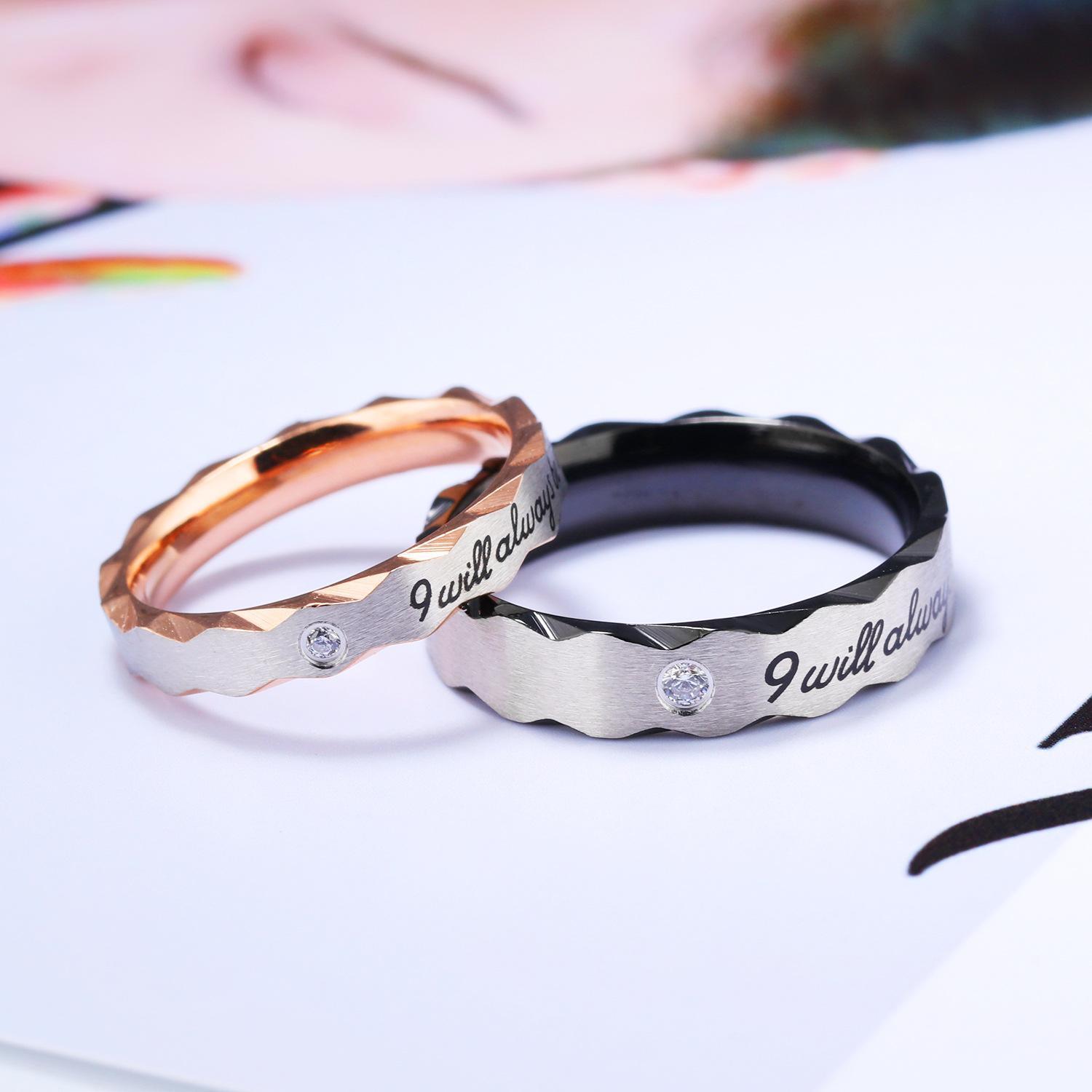
The traditional industry of diamonds promise couple rings is a multibillion-dollar business that is dominated mostly by De Beers and Rio Tinto. The majority are mined by countries such as South Africa. Russia, Canada and Botswana. Land degradation, water contamination, waste management, climate change, and other environmental concerns are associated with traditional diamond mining. The traditional diamond industry is also associated with social problems such as abuses of human rights (child labor, violence against local communities).
As the world's couples jewelry continues its evolution, a trend in the engagement ring market is emerging: lab-grown stones. Lab-grown engagement diamond rings were once considered niche products, but have gained significant traction over the past few years. They provide a more cost-effective and sustainable alternative to traditional diamonds. Due to their unique qualities and benefits, laboratory-grown diamonds will revolutionize engagement ring markets, offering couples a more stylish and environmentally friendly way to symbolise their love and dedication.
Why are there more and more people looking for eco-friendly, sustainable diamonds?
Due to various factors such as:
AffordabilityEmpty line matching necklaces
Lab-grown Diamonds are cheaper than traditionally mined ones due to reduced production costs.
Environmental SustainabilityEmpty Heading
Lab-grown engagement rings have a lower environmental impact because they use less water and electricity and are produced in a controlled, technologically advanced environment.
CustomizationEmpty line
Lab-grown stones can be produced in colors such as pink, yellow, green and blue that aren't found in most natural diamonds. These diamonds also come in a variety of sizes and colors, making it easy to create custom-made designs and settings. These diamonds may also be grown at specific carats.
Strength & DurabilityEmpty heading
Lab-grown Diamonds are created using a controlled procedure, which means that they have fewer inclusions or imperfections as compared to the natural diamonds. The uniform crystal structure of these diamonds can also make them less susceptible to cracking or breakage. These diamonds have been grown under controlled conditions, which helps to reduce the risk for thermal shock.
Superior QualityEmpty header
Lab-grown diamond engagement ring are the same as traditional diamonds. They are also grown in a controlled atmosphere, which eliminates impurities and inclusions.
Unique characteristicsEmpty heading
Lab-grown stones can stand out because of their unique qualities. Their uniqueness can be enhanced by their inclusions and colors.

 Arabic
 French
 Spanish
 Portuguese
 Deutsch
 Turkish
 Dutch
Dutch
 Italiano
 Russian
 Romaian
 Portuguese (Brazil)
 Greek
Greek
